
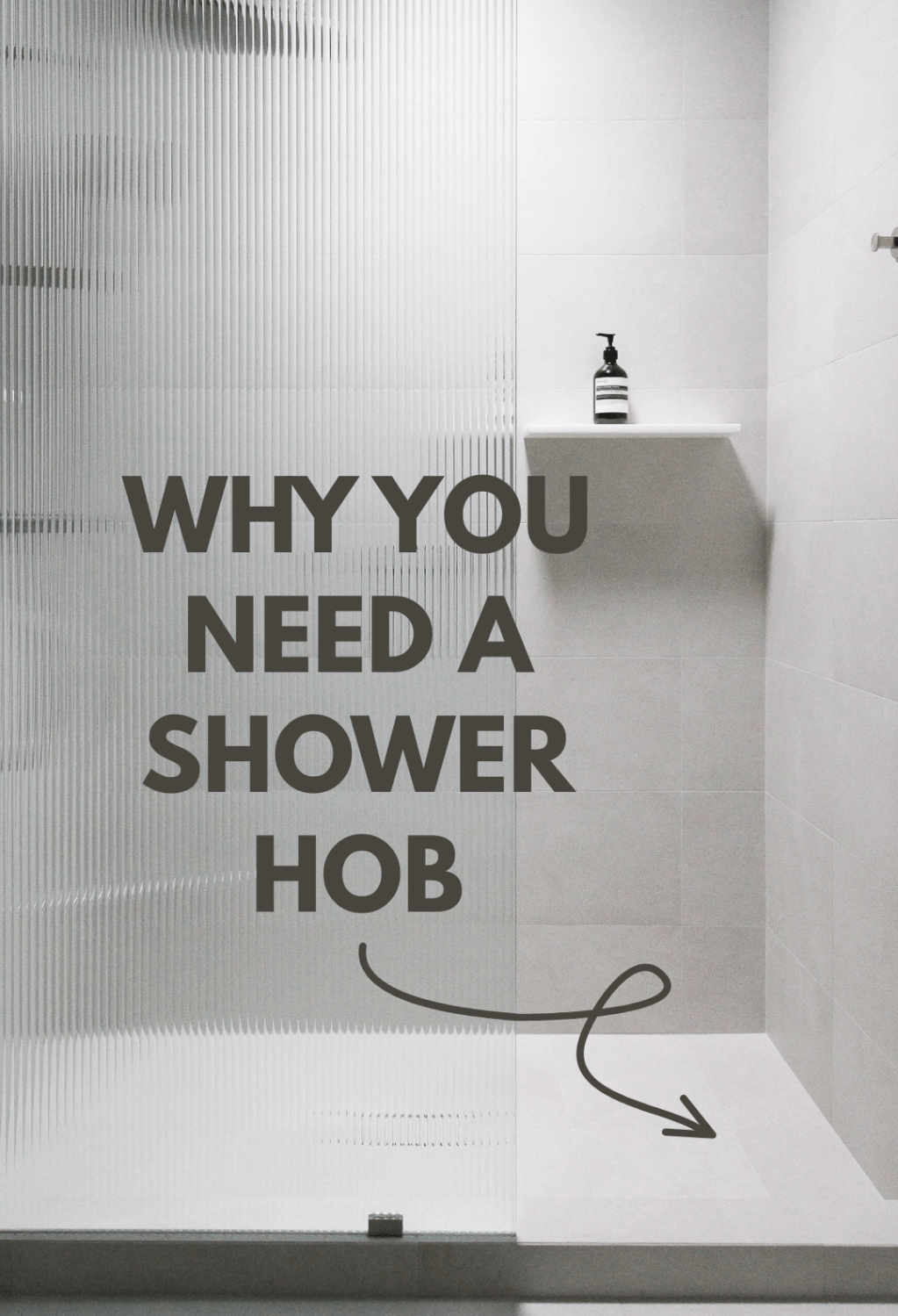
In my 20 years of renovating bathrooms, there have really only been two reasons you’ll ever need a shower hob.
One reason is unavoidable — the other is purely personal choice.
Let’s go through both.

What Is a Shower Hob?
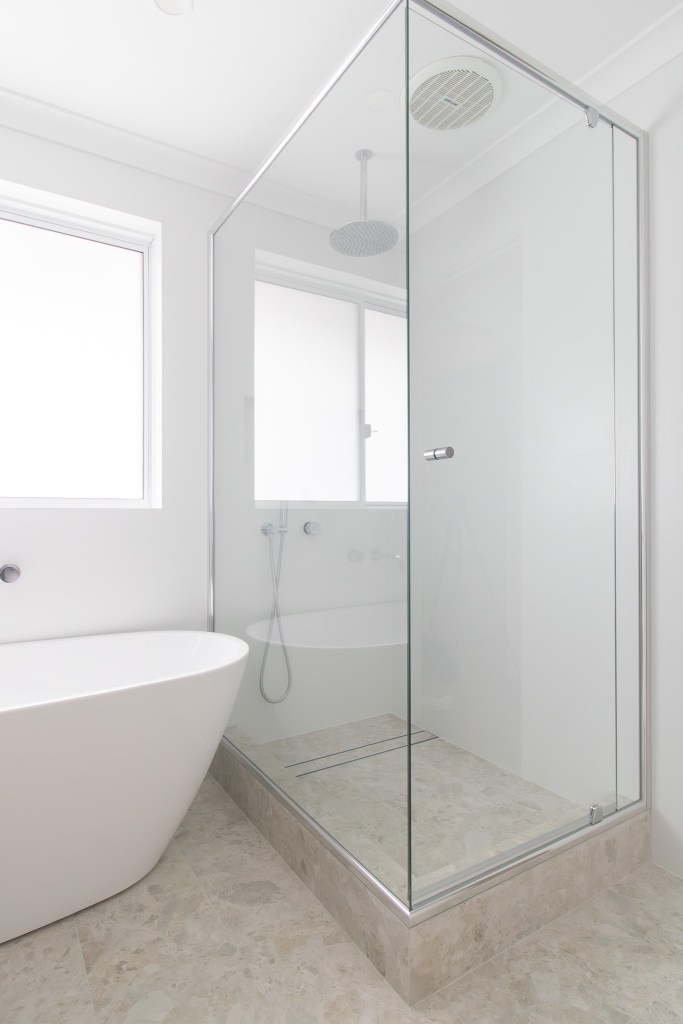
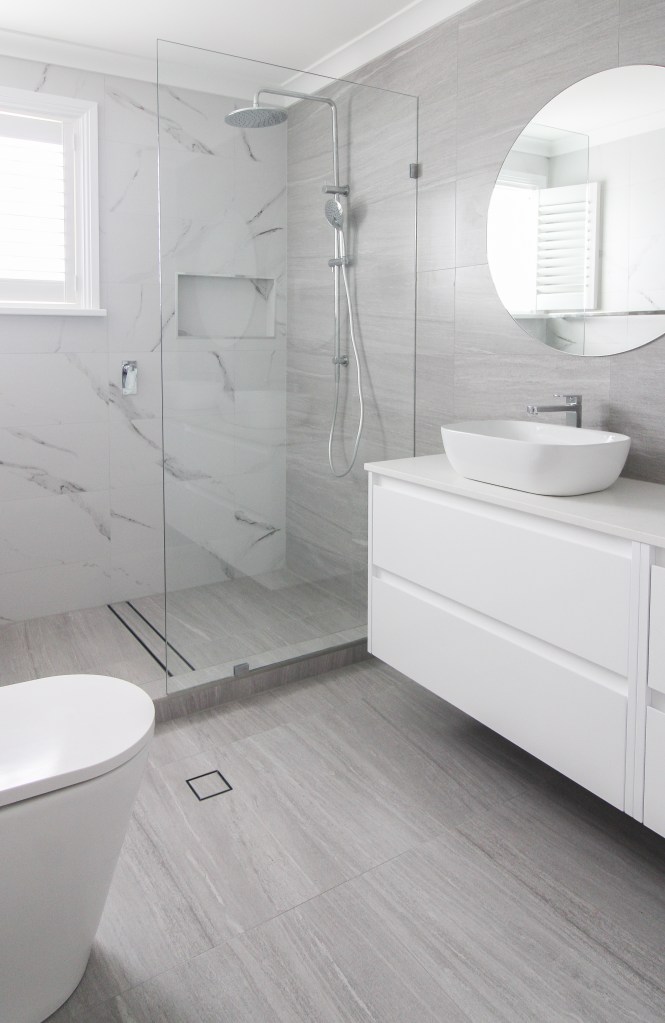
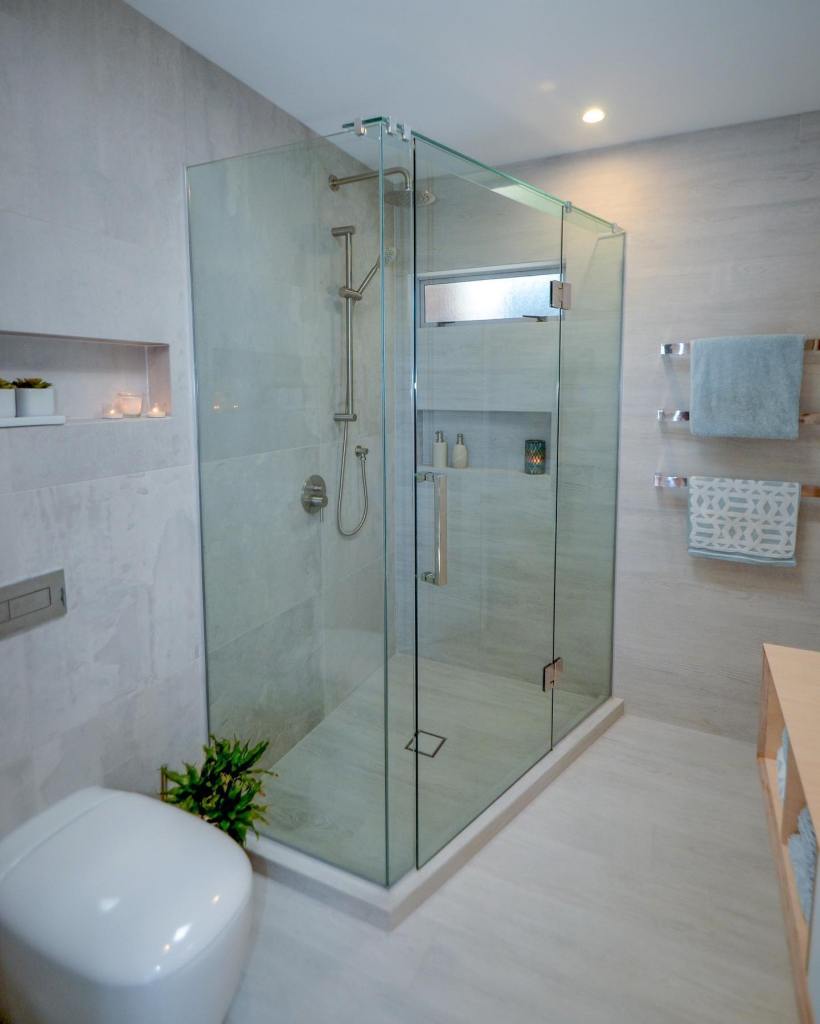
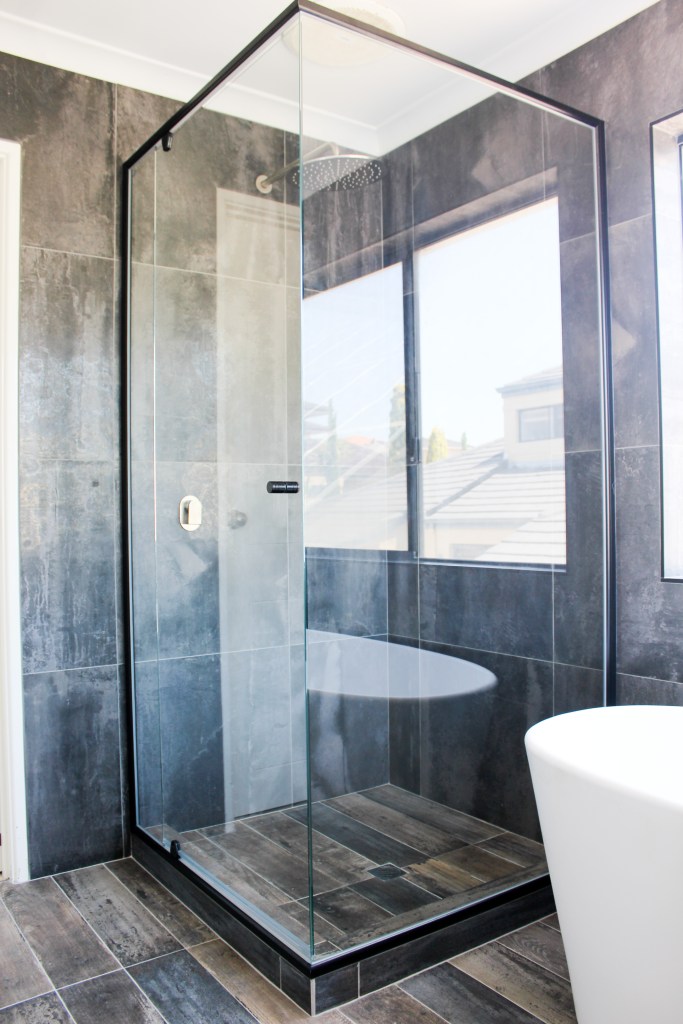
A shower hob (Australia and NZ), also known as a shower step or threshold (UK) and a shower curb (USA and Canada), is the small raised barrier that sits around the base of your shower area — usually one brick high.
The typical height of a shower hob is 80mm to 100mm, depending on the materials used.
You’ll generally see two types:
- Corner hob
- Wall-to-wall hob
Why You Might Need a Shower Hob
In older Australian homes (built before around 2000), shower hobs were standard. They were mainly used to keep water contained inside the shower and to protect against backflow if the drain became blocked.
At the time, the hob acted as a simple safeguard — if your drain was clogged or if sewage backed up, the hob kept that mess inside the shower.
These days, though, that problem is handled by a reflux valve installed outside the bathroom, so the need for a hob is much less common.
1. You Just Like the Look of It (Personal Choice)
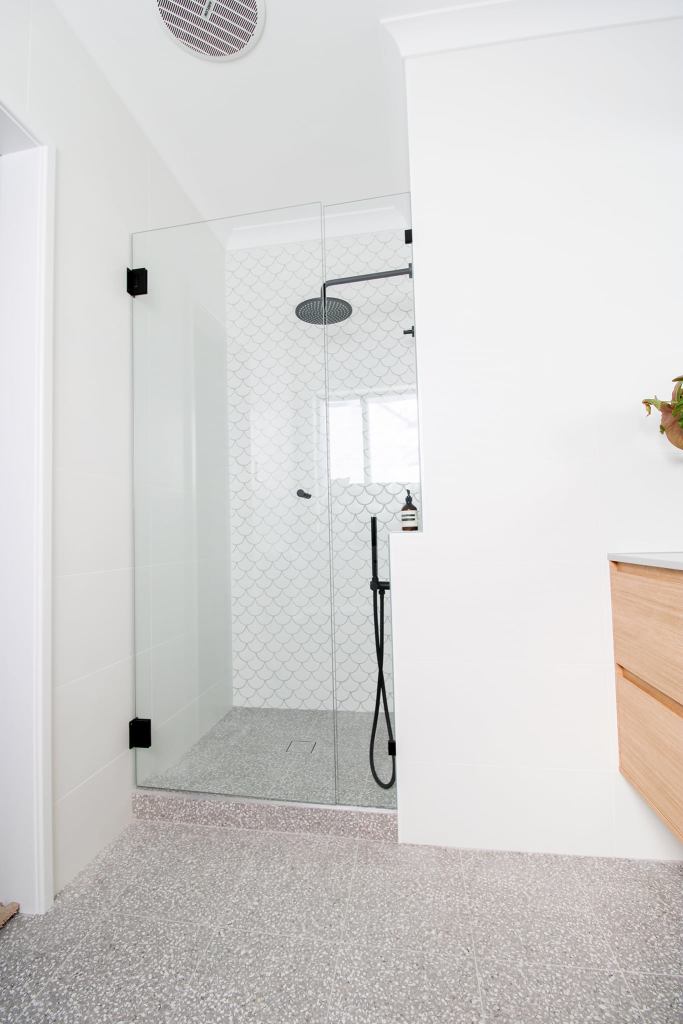
Some people simply prefer the look or function of a shower hob — and that’s perfectly fine.
Yes, it does retain water better, and for families with small kids, it can even double as a mini Roman bath.
It’s also a comfort for DIY or first-time tilers because it makes managing the shower fall (slope) easier. The hob acts as a kind of safety net — even if the drainage isn’t perfect, the water won’t escape into the rest of the bathroom.
2. You Have to Have One (Structural Reasons)
The number one reason you’ll be forced to include a shower hob is when your bathroom isn’t on the ground floor.
This includes:
- First-floor bathrooms
- Apartments not on ground level
The reason comes down to plumbing height. On upper floors, the waste pipes are often higher than the floor surface, either because they’re installed within a concrete slab or limited by the joist space in a timber frame home.
Timber Frame Bathrooms with a Hob
Can you lower the plumbing in a timber-framed bathroom?
Usually, no — not safely.
Lowering the pipes often means cutting into the joists, which can weaken the structure of your floor. Joists are what hold your floor up, so any modification needs to be carefully supported — for example, by “sistering” new joists alongside the existing ones.
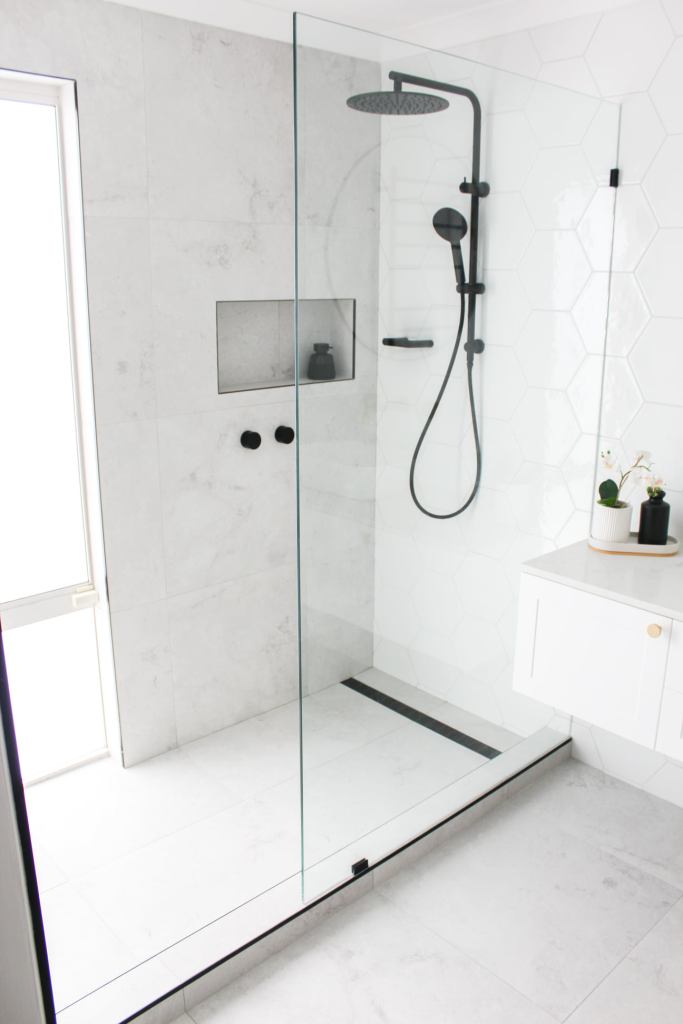
In some cases, there’s just enough space to drop the shower drain slightly and achieve a hobless shower, but you won’t know for sure until everything is stripped back.
And when it comes to plumbing, the toilet waste is the hardest thing to move or modify on any upper-level bathroom.

Concrete Bathroom Floors with a Hob
In concrete bathrooms, it’s even trickier.
To achieve a hobless shower, you’d have to cut and remove part of the concrete slab, which is usually too costly and invasive to justify.
Older homes also make this tough because their plumbing pipes sit above the finished floor and connect externally — meaning they can’t simply be dropped down flush with the floor.
That said, there are a few exceptions:
- Some homes have thick screed layers that make the floor seem higher than it really is — once removed, you might have enough room for a hobless shower.
- Newer homes sometimes have bulkheads below the bathroom floor that allow access to the drainage. If so, modifying the shower waste might be possible (though not always easy).
Jim’s Big Tip
If you have to include a shower hob, keep it as low and subtle as possible — around 50mm.
Tile it using your floor tile, not a wall or feature tile, so it blends in and doesn’t draw attention. The goal is to make it look seamless, not like a design feature.
Finally I know it can really suck when you learn you have to have a hob but don’t get disheartened you might still be able to have that hobless shower of your dreams (Fingers Crossed)

Final Thoughts
So — can you have a hobless shower in a first-floor bathroom?
Yes… and no.
Sometimes it’s easy. Most of the time, it’s complicated.
And the truth is, no renovator can guarantee it before the demolition stage, especially in older homes with unknown subfloor conditions.
But whatever your setup, understanding why a hob is needed helps you make smarter renovation choices — and keeps your bathroom both functional and beautiful.
FOLLOW OUR AWESOME Bathroom INSPIRATION INSTAGRAM PAGE BELOW
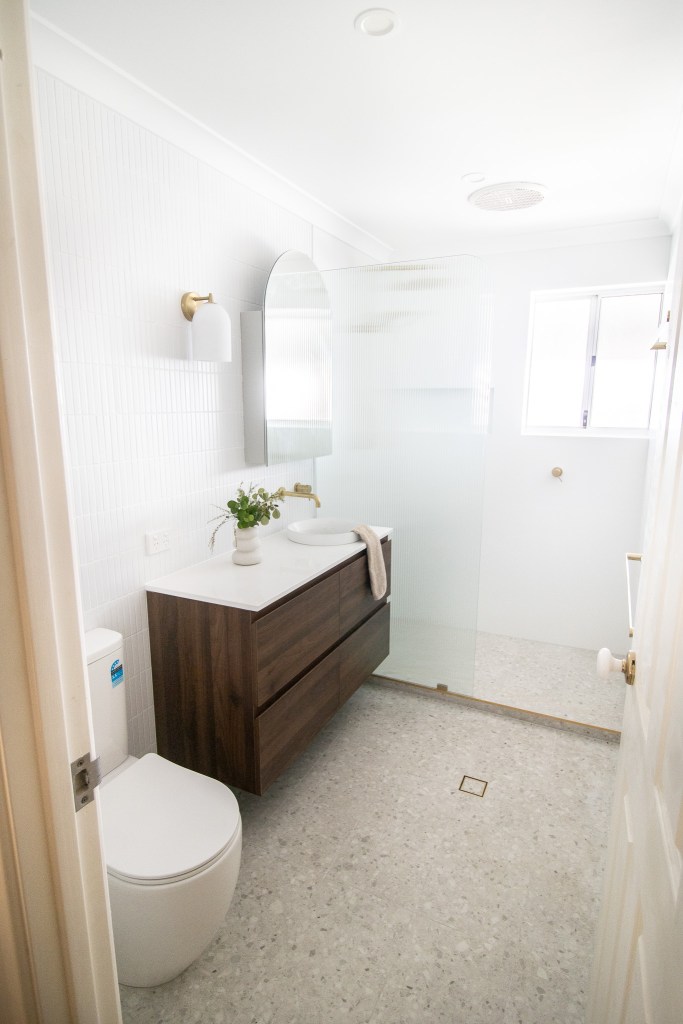
Looking for some more bathroom renovations for inspiration. Check out out my Instagram page below with tons of helpful pics and video guides
Instagram @jimthebathroomguy
It’s important to note that all our advice is general in nature and all bathrooms are unique so always speak to your local qualified tradesman for the best advice.
 Jim The Bathroom Guy
Leave a comment