
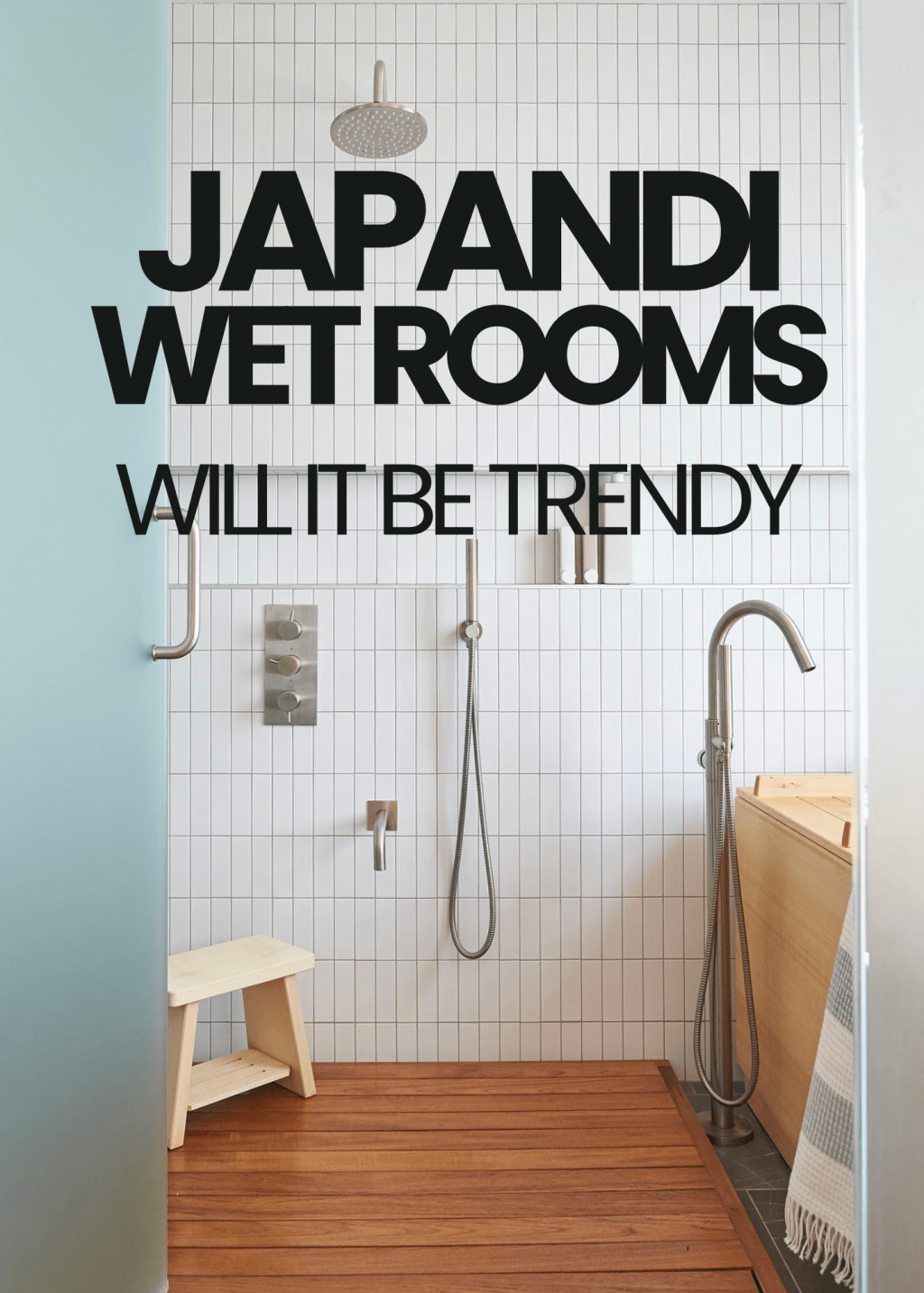
When it comes to bathroom renovation ideas, the Japandi style wet room are one of those concepts that are starting to get attention — and for good reason. They’re not just stylish, they’re a different way of thinking about your bathroom space and how you use it.
Like all bathroom concepts — new or old — I always assess whether they’ll adapt to the Australian market and, more importantly, whether they’re practical for the everyday renovator. Below, I’ll walk you through the key details and give you my honest opinion.
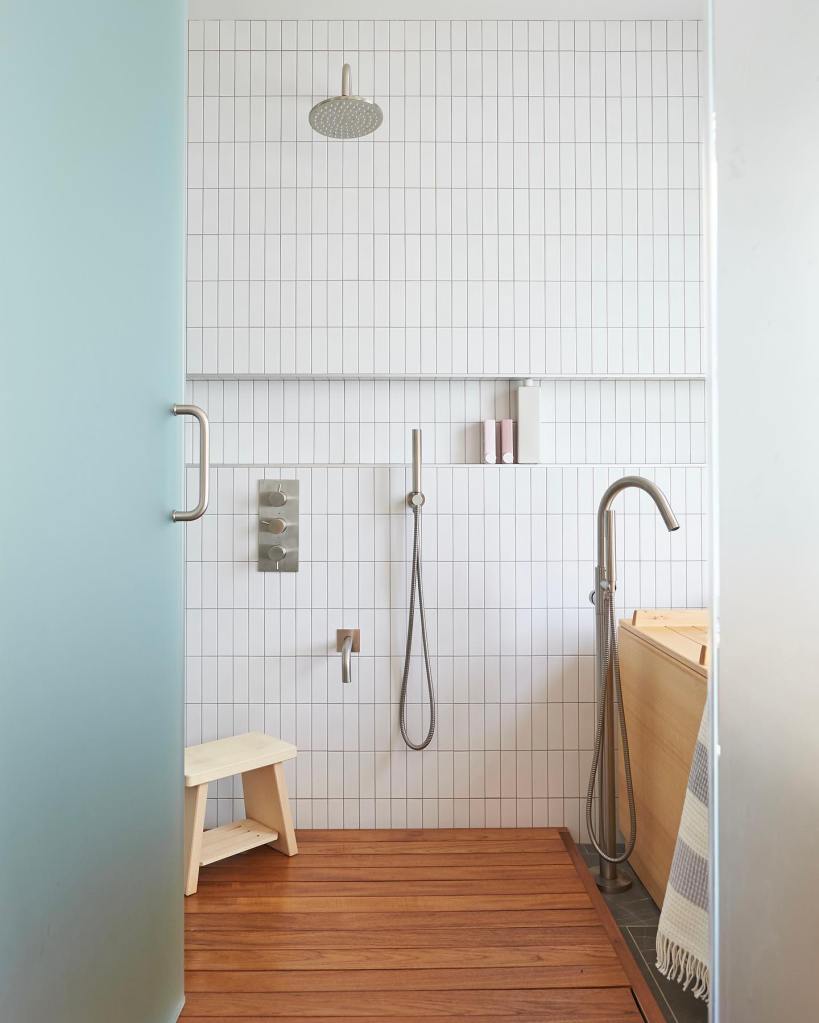
What Exactly Is a Japanadi-Style Wet Room?
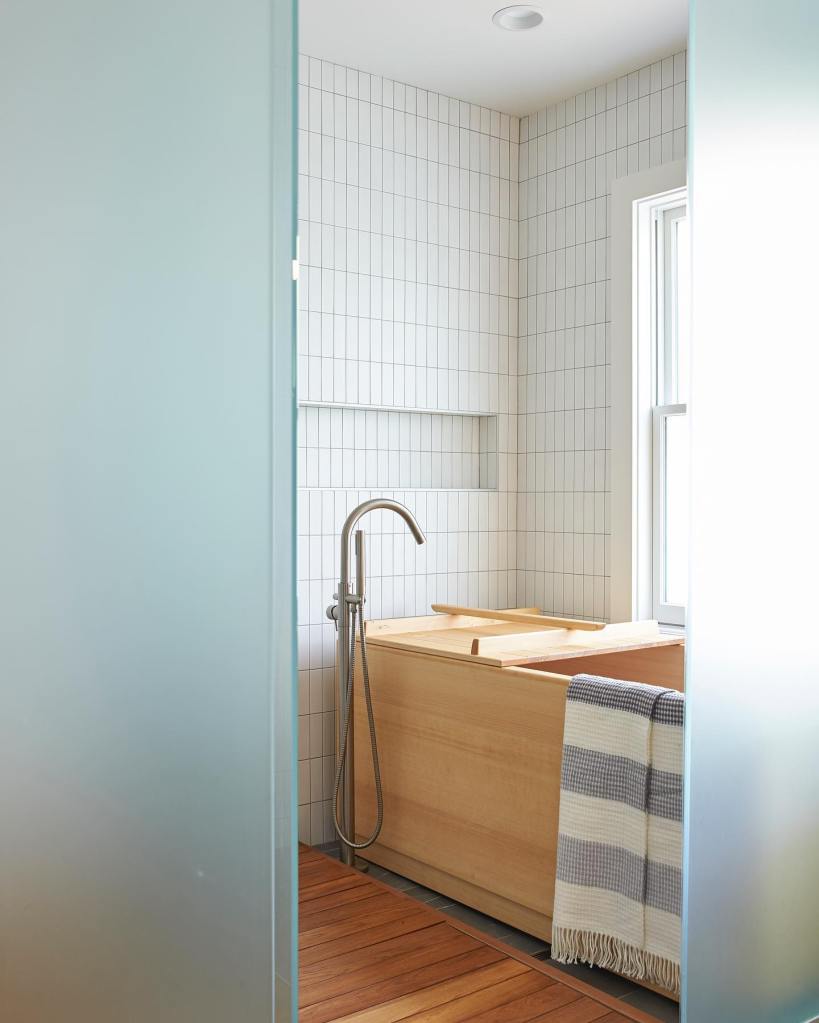
In Japanese homes, rooms that combine the shower and soaking bath in one waterproofed zone are very common. Traditionally, Japanese bathing culture isn’t just about cleaning — it’s about ritual and relaxation. You shower first, then soak in a deep tub called an ofuro, typically deeper than a standard Western bath — around 600–700 mm deep — so the water covers you up to the shoulders while seated.
Modern Japandi (Minimalist Sophistication (Japanese) and Cozy Functionality (Scandanvian) wet rooms can use really natural products like real stone tubs or dark real wood baths for deep soaking.
How They Differ From Standard Wet Rooms
The word “wet room” gets used a lot in Australia, but there are some key differences between a modern Australian wet room and a Japandi inspired one:
- Use and ritual: Japandi wet rooms are usually meant to be used in sequence — shower first, then soak. Many standard wet rooms here simply combine areas with no specific order.
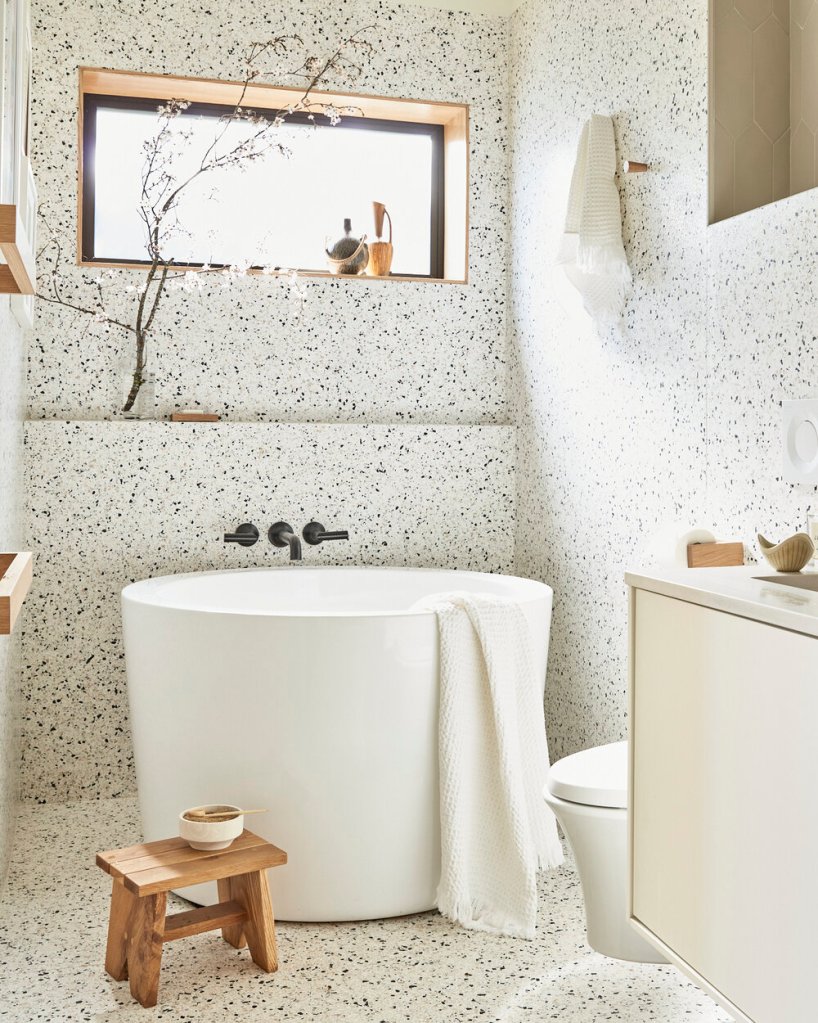
- Space use: A deep soaking tub doesn’t always take more floor space — because it’s deeper, it can fit into bathrooms with limited length or width.
- Materials and feel: Traditional Japandi designs often bring natural materials and a spa-like vibe, even in minimalist modern versions.
In short, the key difference comes down to intent. Japandi wet rooms are designed like a hotel day spa — ideal for homeowners or renovators committed to creating a calm, sanctuary-style bathroom. Australian-style wet rooms, on the other hand, are a sleek and practical solution focused on making the most out of smaller spaces.
Why You Might Choose One
Here are the real perks that make Japandi style wet rooms something to seriously consider:
- Deep soaking tubs are incredibly relaxing — great for stress relief and that spa-at-home feel.
- Efficient space use — because the tub is deeper rather than longer, you can often fit it into smaller bathrooms without losing functionality.
- Unique look and feel — they stand out and add character compared to standard layouts.
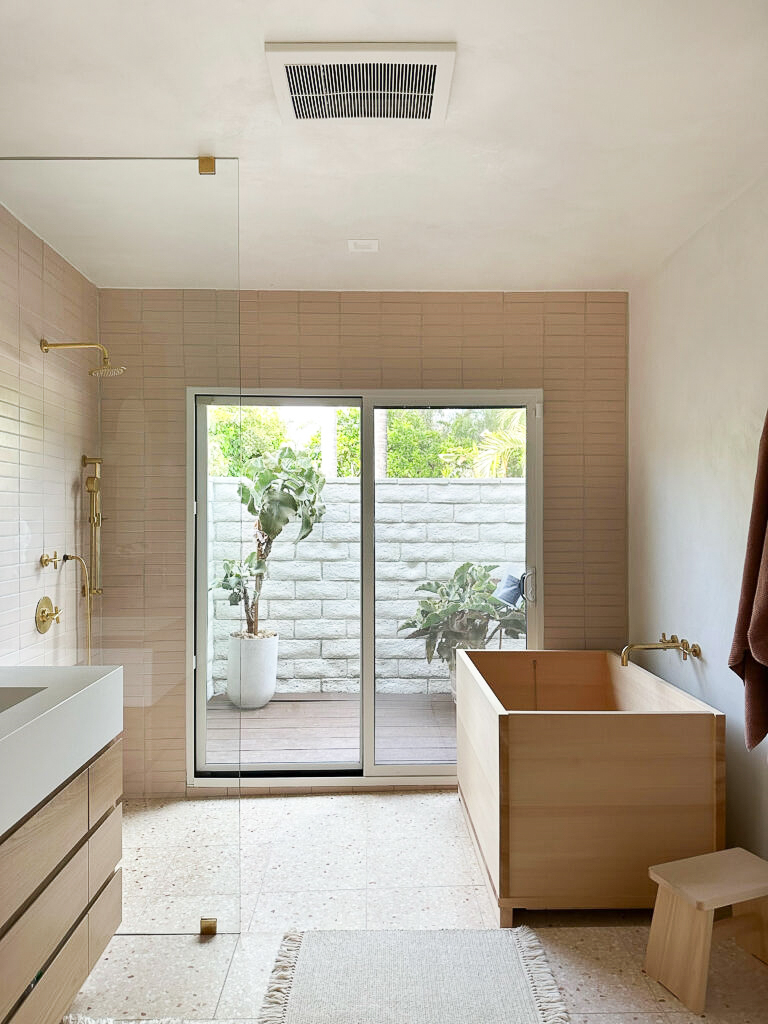
Are They Going to Get Popular in Australia?
Alright, mate lets get to the honest part of this trend. Japandi wet rooms are ultra-specific in who they appeal to.
Japanese-style wet rooms aren’t yet mainstream here — and there are a few reasons why:
- Cost: Real soaking tubs, especially if you want hardwood or custom designs, can be pricey compared to standard acrylic baths. .
- Trend vs mainstream: Luxury and wellness-driven design features do influence trends, but they tend to start in high-end projects before filtering down.
- Appeal: Not the most appealing to family-oriented renovators as it is not the most kid-friendly
Japanese-inspired wet rooms offer a mix of practicality and serenity — and for the right homeowner, they’re a brilliant way to make a bathroom renovation feel special.
I personally love them, I love the look and feel of a Japandi wet room, but I don’t love the cost, and I think it is something that most people will look at and think it looks great, but ultimately will just have a normal Australian wet room and that will be the compromise.
For a complete guide on how to build a Japandi Wet Room, including links to suppliers of the products in Australia, just send me an email at bathroomguyjim@gmail.com
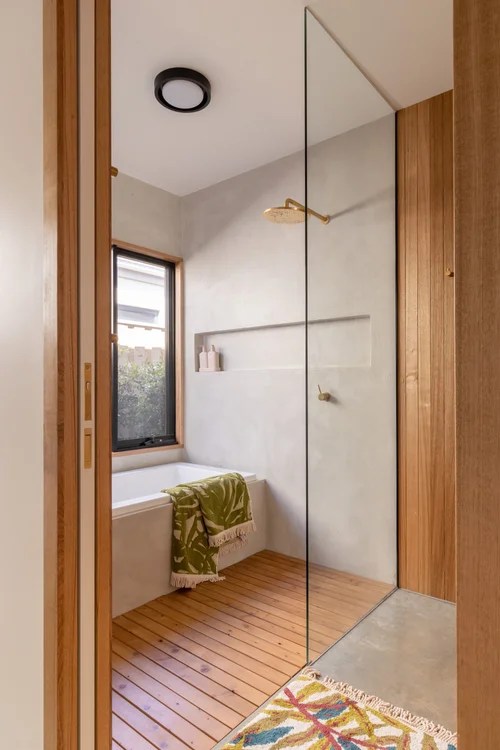
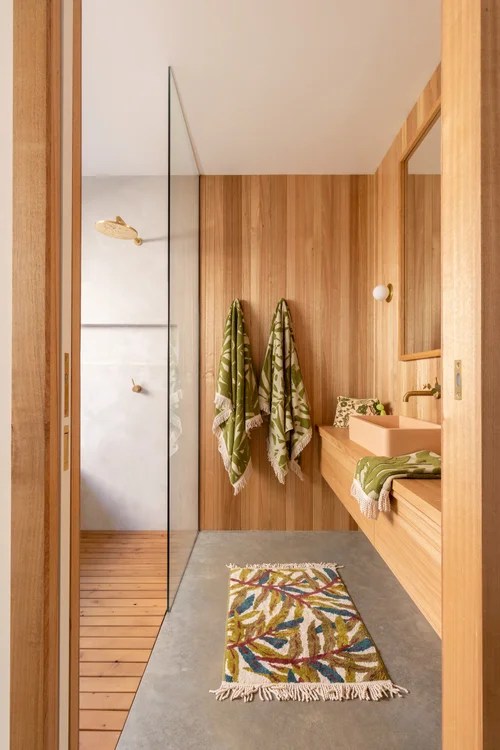
P.S the best Australian version of this style of renovation I found is from Al and Imo (Website), beyond being a fantastic custom furniture manufacture they have created the below modern Australian Japandi Wet Room
 Jim The Bathroom Guy
Leave a comment