
If you’re planning a bathroom renovation, you’ll hit this question pretty quickly:
Do I need tile trim, or can the edges be mitred?
On Pinterest and Instagram, you’ll see plenty of bathrooms with clean tile edges and no visible trim. It looks sharp and high-end.
But what you don’t see is what happens after a few years.
After working in bathrooms for most of my life, here’s the honest breakdown of tile trim vs mitred edges, when each works, and what most people don’t get told before they choose.
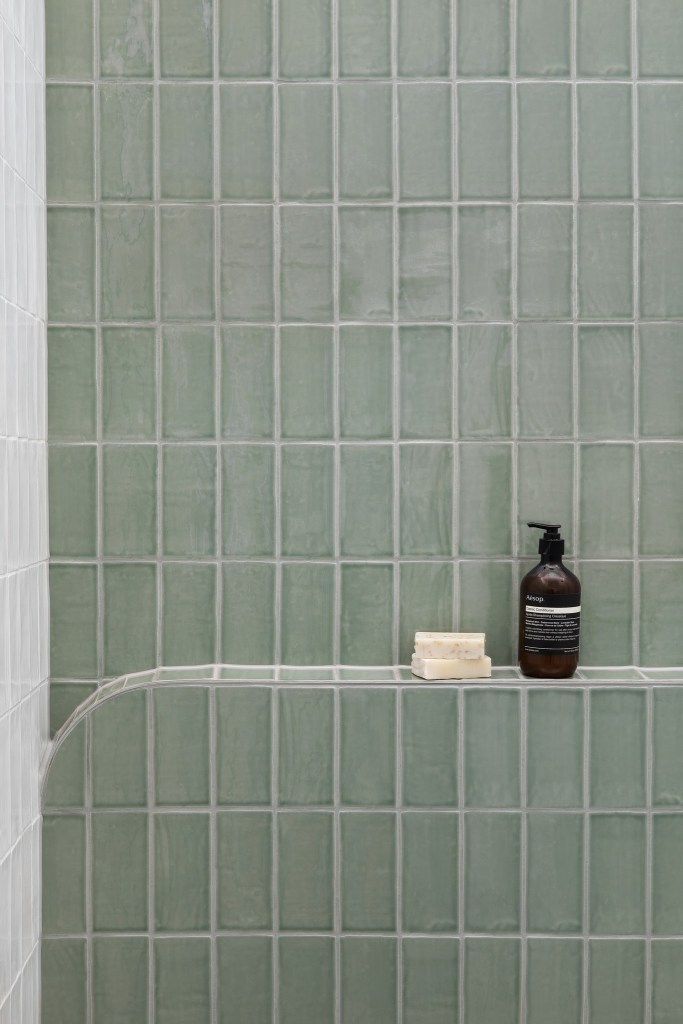
What Is Tile Trim?
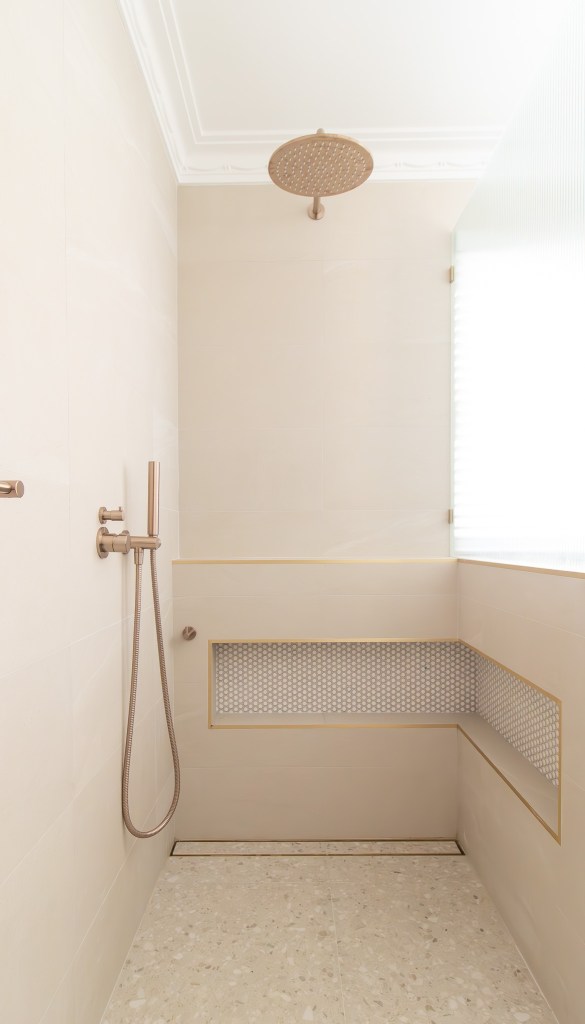
Tile trim is a metal or PVC profile that sits on the edge of a tiled surface to protect and finish the exposed tile edge.
You’ll usually see it:
- External wall corners
- Shower openings
- Niches
- Window reveals
- End of feature walls
Common finishes in Australia:
- Aluminium (silver, black, white)
- Brushed brass or gunmetal
- Square edge (modern)
- Round edge (older style)
The main job of trim isn’t just looks.
It protects the tile edge from chipping and damage.
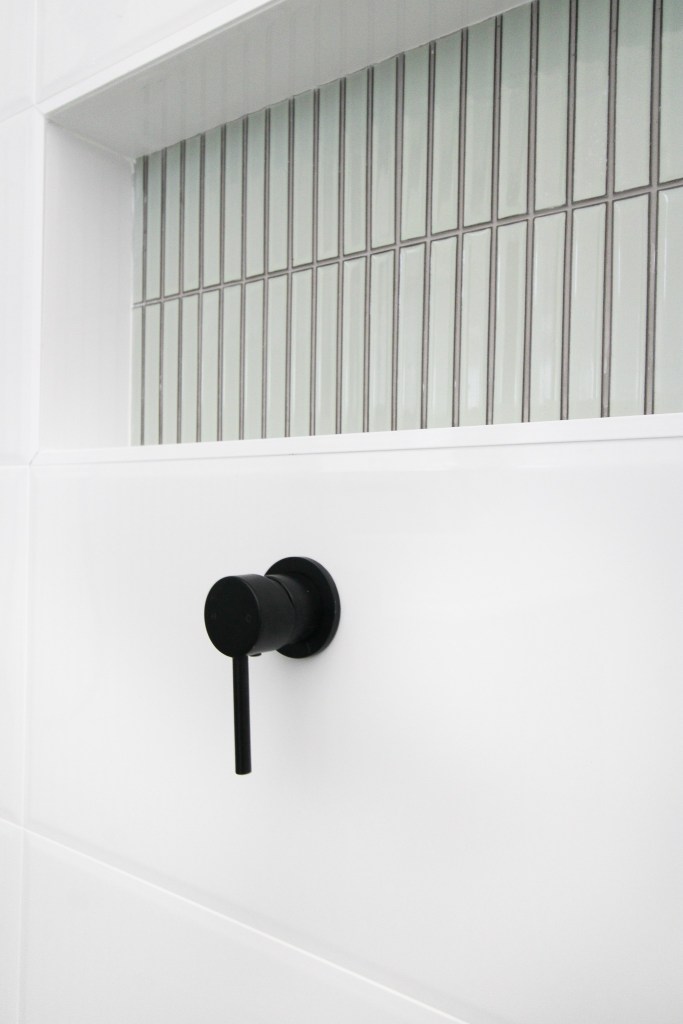
What Is a Mitred Tile Edge?
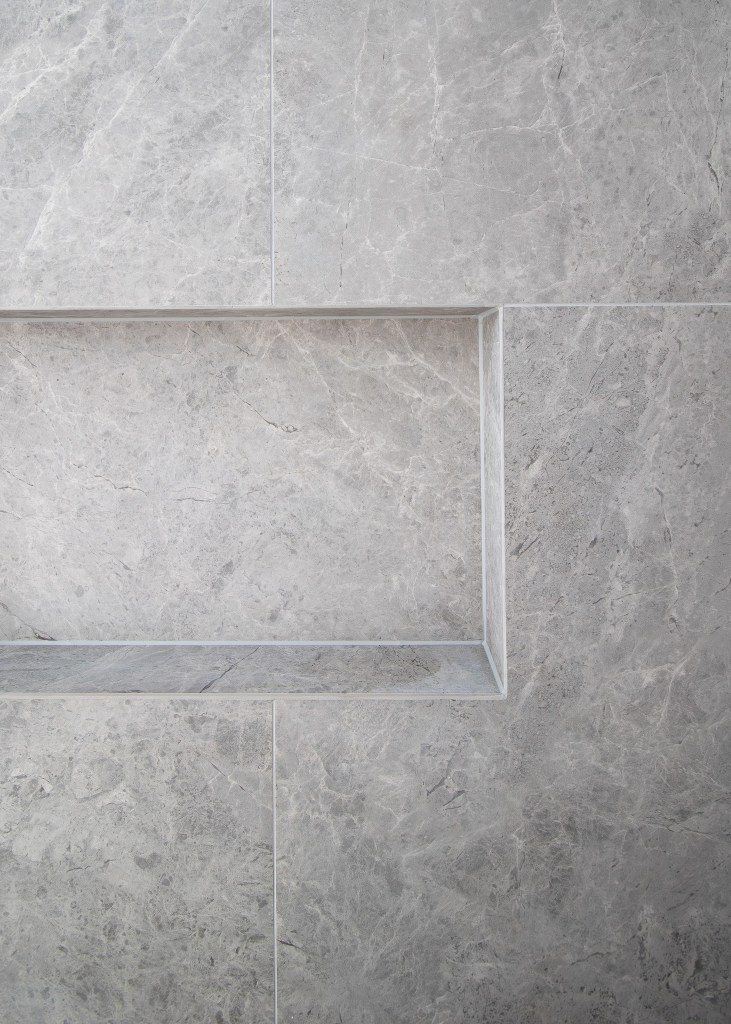
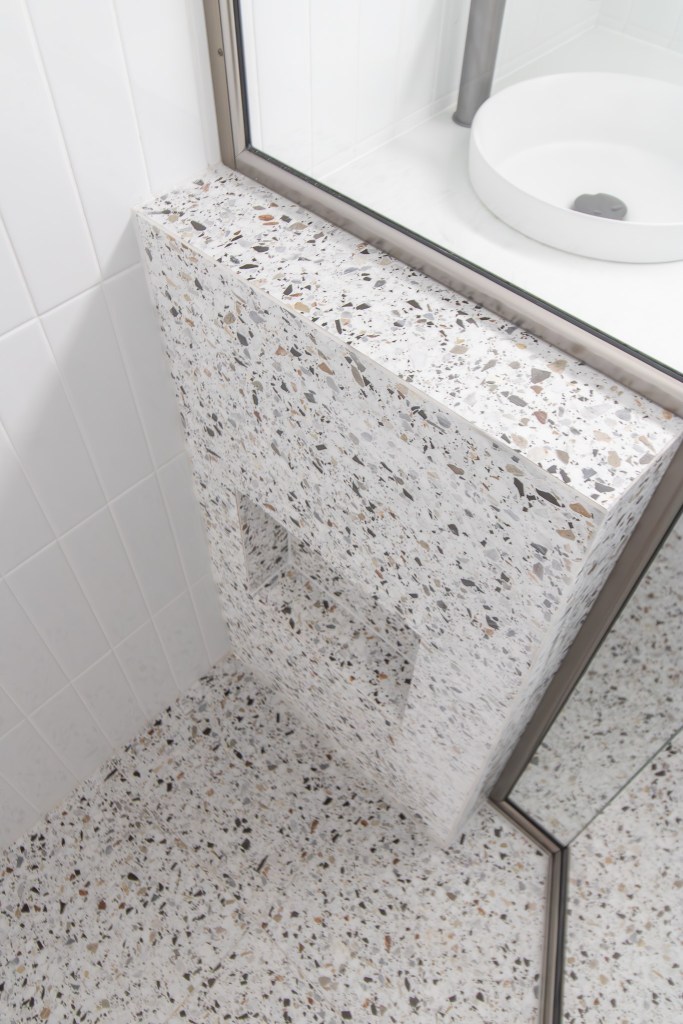
A mitred edge is where the tiles are cut at a 45° angle so two edges meet to form a clean corner, with no trim showing.
When done well, it gives a seamless, high-end look. This is what you see in a lot of designer bathrooms and luxury builds.
But it comes with trade-offs.
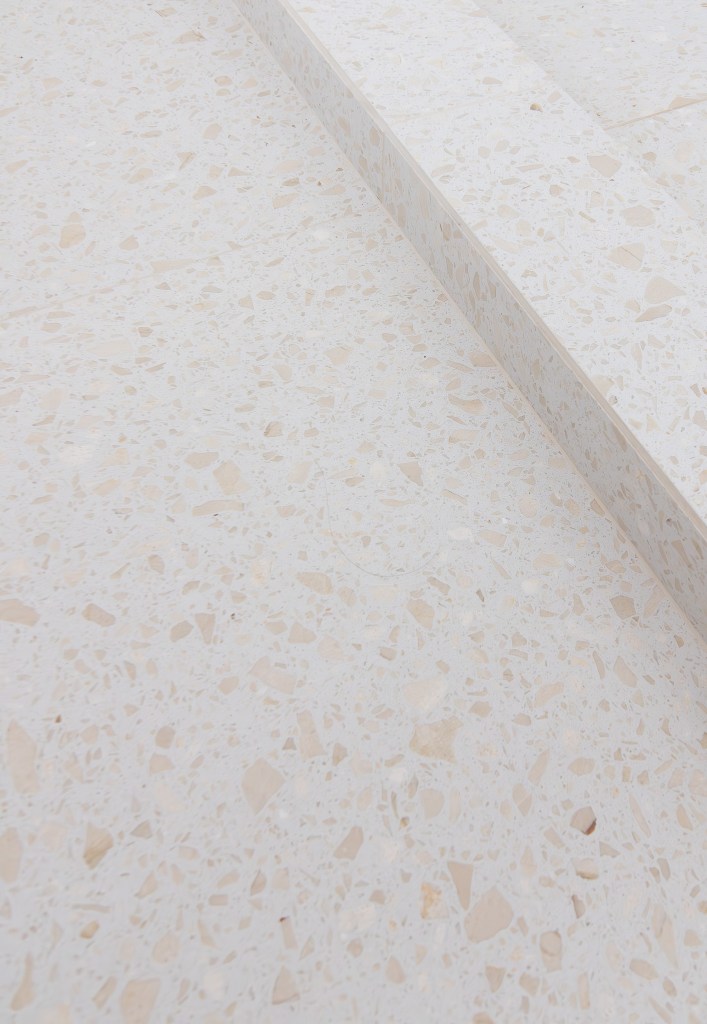
The Big Difference: Looks vs Durability
Mitred edges
Pros
- Clean, seamless look
- No visible metal or plastic
- Works well for high-end designs
Cons
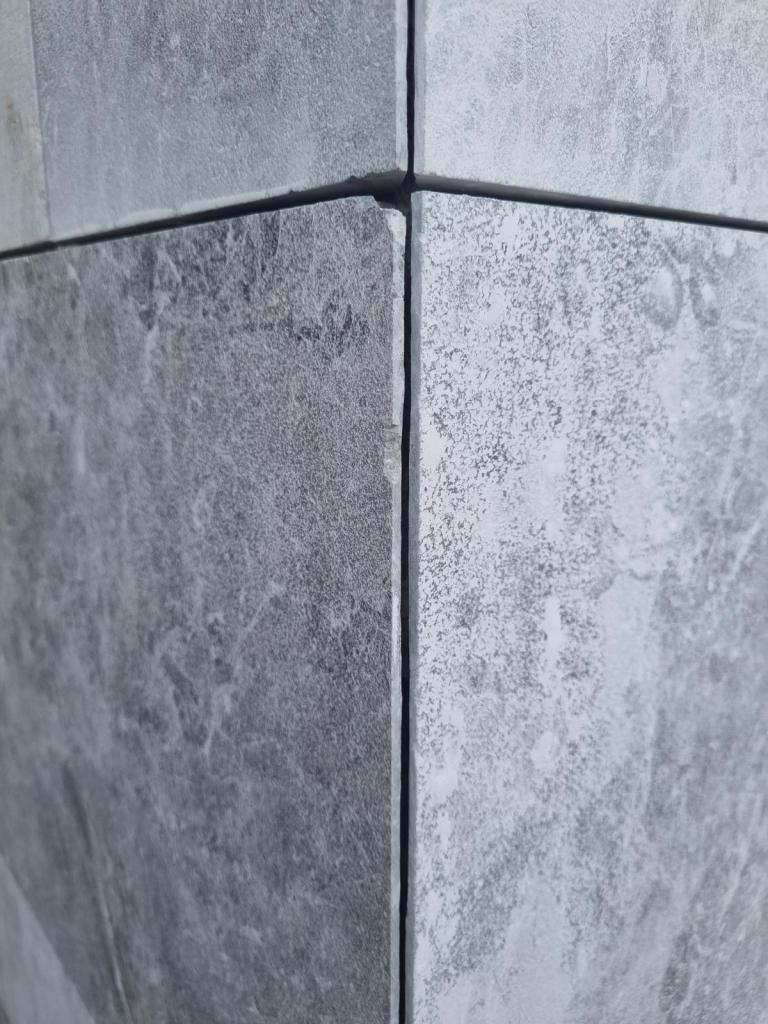
- Edges can chip over time
- Porcelain is strong, but the corner is still vulnerable
- Requires a skilled tiler and more labour
- Repairs are difficult if damage occurs
Tile trim
Pros
- Protects the edge from impact
- More forgiving for movement and daily use
- Faster and more affordable to install
- Ideal for family bathrooms and high-traffic areas
Cons
- Visible profile (some people don’t like the look)
- Cheap trim can look average
- Colour choice matters for the final result
Where Mitres Work Best
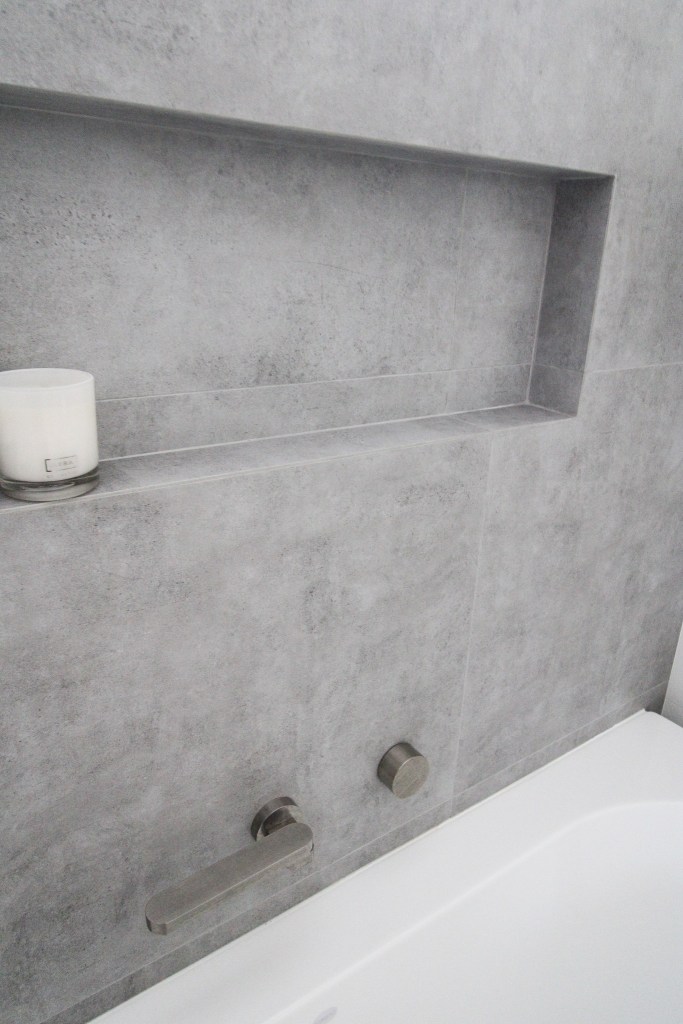
Mitred edges make sense when:
- It’s a feature wall or niche where appearance matters most
- Large format porcelain tiles are being used
- The job allows for extra labour and precision
- You’re using an experienced tiler who regularly does mitres
Used in the right spots, mitres look great.
But they’re not ideal everywhere.
Where Tile Trim Is the Better Choice
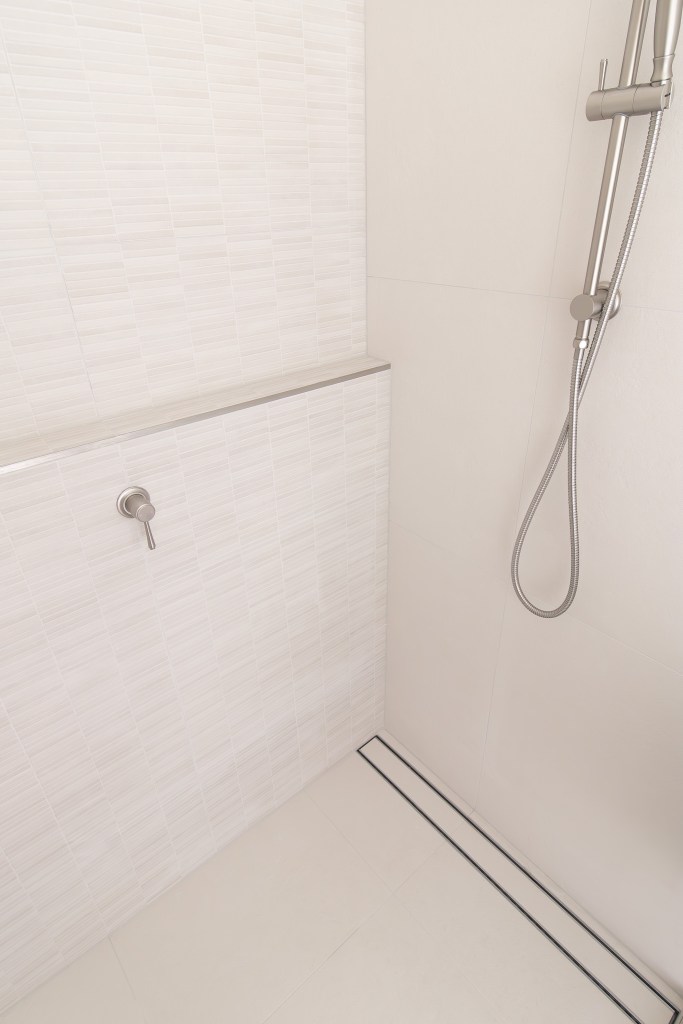
Trim is usually the smarter option for:
- External wall corners that people walk past
- Shower entries
- Window reveals
- High traffic family bathrooms
- Investment properties or rentals
- Any area where durability matters more than a seamless look
If the edge is likely to get bumped, trim will outlast a mitre every time.
The Chipping Reality Most People Don’t Hear
This is the part design photos don’t show.
Mitred edges can chip from:
- Cleaning equipment hitting the corner
- Kids’ toys or bottles knocking the edge
- Movement in the building over time
- Hard porcelain meeting hard porcelain at a sharp point
Once a mitre chips, there’s no easy fix without replacing tiles.
Trim takes the hit instead of the tile.
Cost Difference
Mitres are more labour-intensive:
- Extra cutting time
- More setup and handling
- Higher skill level required
Expect mitres to cost more than trim, especially across multiple corners or niches.
Trim is quicker to install and keeps labour costs down on some occasions, but it comes down to the complex nature of the job.
My approach to cost is that they should be around the same if you are doing mitring or trim, as they both have their own difficulties.
Best Bathroom Trim To Use
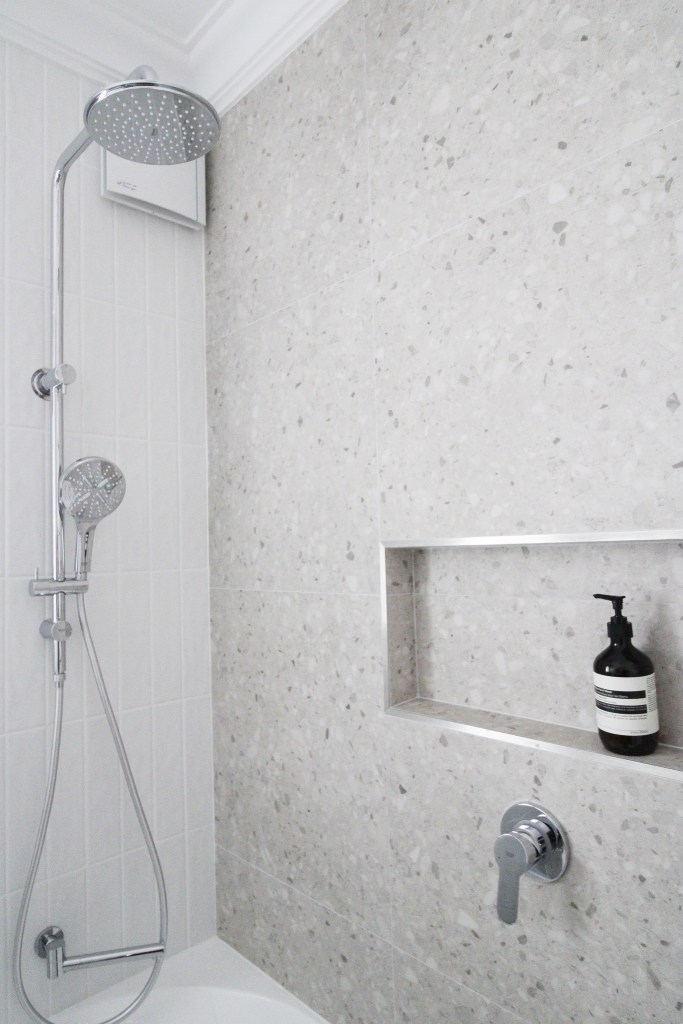
Aluminium trim is the go-to choice for most bathrooms. It’s durable, corrosion-resistant, easy to install, and available in plenty of finishes, making it a clean and cost-effective option for everyday use.
If you want to step it up, stainless steel trim is the upgrade. It offers greater durability and a more premium look, holding up better to knocks and wear over time, especially in high-use or high-end bathrooms.
Brass trim sits at the designer end of the scale, chosen mainly for its warm, high-end look rather than practicality, and suits feature bathrooms where style is the priority
My Honest Advice
When it comes to the debate between designers, tilers, and homeowners, most will agree that mitred edges look better. That view is largely driven by aesthetics, with visible trim being the main reason some people shy away from it.
As tapware finishes have expanded and bathrooms have moved away from plain white tiles, tile trim has become more noticeable, which isn’t to everyone’s taste.
My advice is simple: use mitres wherever you can. They look cleaner and feel softer in person. Use trim when you need to, especially in high-traffic bathrooms where edges are more likely to get damaged. Some modern tiles also require trim on external corners, so it’s always worth speaking with your tiler to choose the best option for your space.
Disclaimer: The advice on this website is for general information only. I draw on years of experience in bathroom renovations and tiling, but every home and project is different. Always consult a licensed tradesperson, plumber, or builder before starting any renovations, installations, or repairs.
Follow my Instagram for the latest videos and advice @jimthebathroomguy
 Jim The Bathroom Guy
Leave a comment