
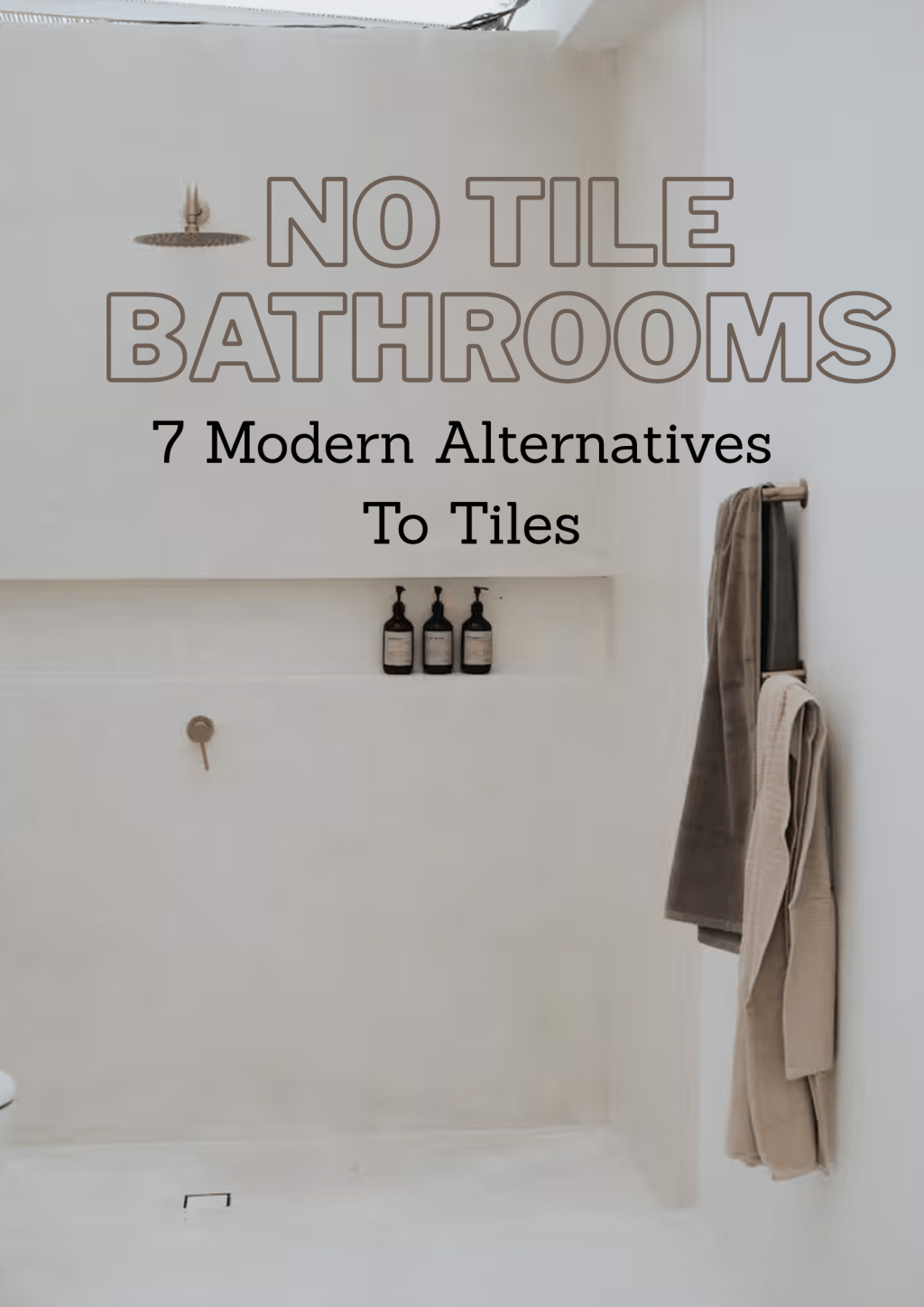
Tiles have been the go-to finish for bathrooms for decades, but many homeowners are now looking for alternatives to tiled bathroom walls.
The reason is simple. Tiles mean grout lines, and grout lines mean cleaning, mould and maintenance over time.
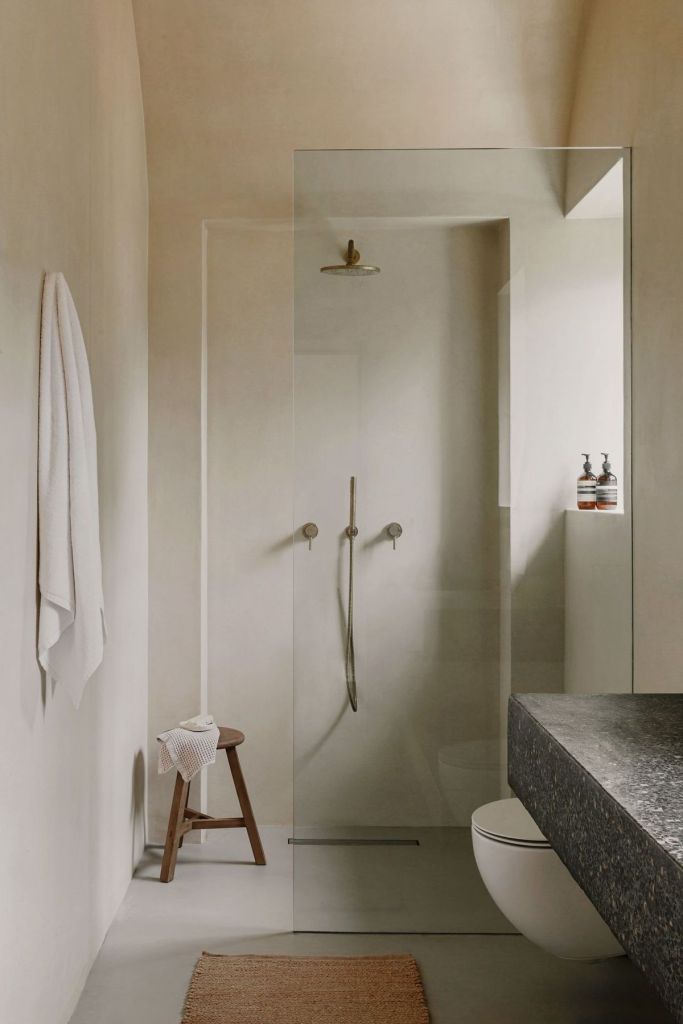
Modern bathroom design is shifting towards seamless wall finishes that are easier to clean and create a more minimalist look. Materials like microcement, plaster finishes and wall panels are now commonly used to create grout-free bathrooms with far less maintenance.
If you’re planning a bathroom renovation, here are seven modern alternatives to bathroom wall tiles that are becoming increasingly popular.
Can You Have Bathroom Walls Without Tiles?
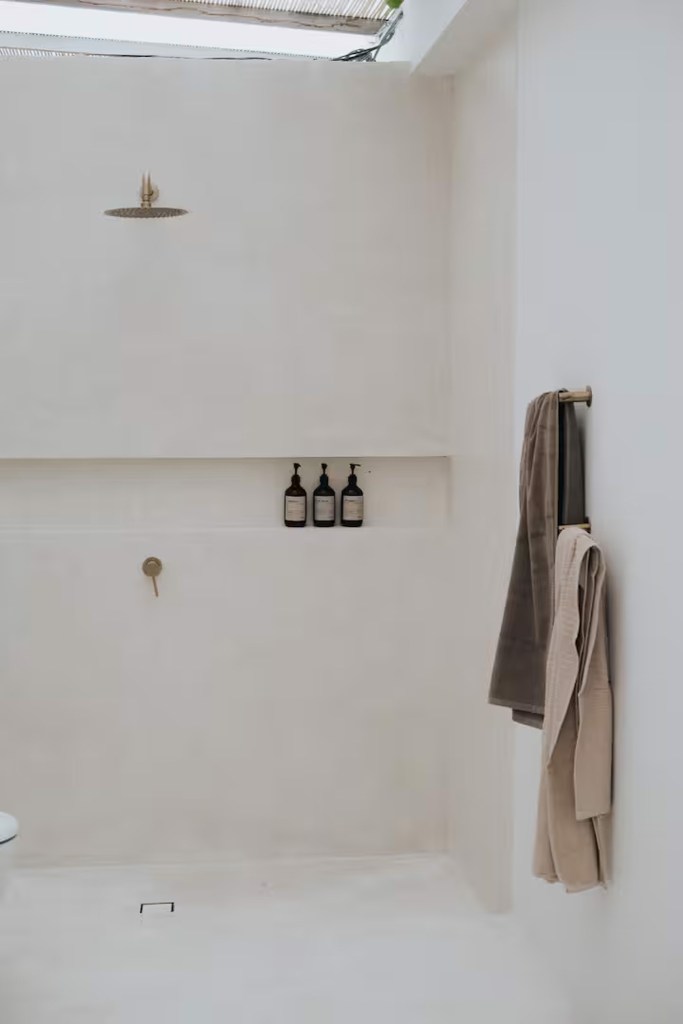
Yes, you can absolutely have a bathroom without tiles.
Tiles are popular because they are durable and waterproof when installed correctly, but they are not the only option. Many modern materials can create fully waterproof bathroom walls when combined with proper waterproofing systems and sealing.
In fact, seamless wall finishes are becoming a major trend in contemporary bathrooms because they reduce grout lines and create a cleaner, more modern look.
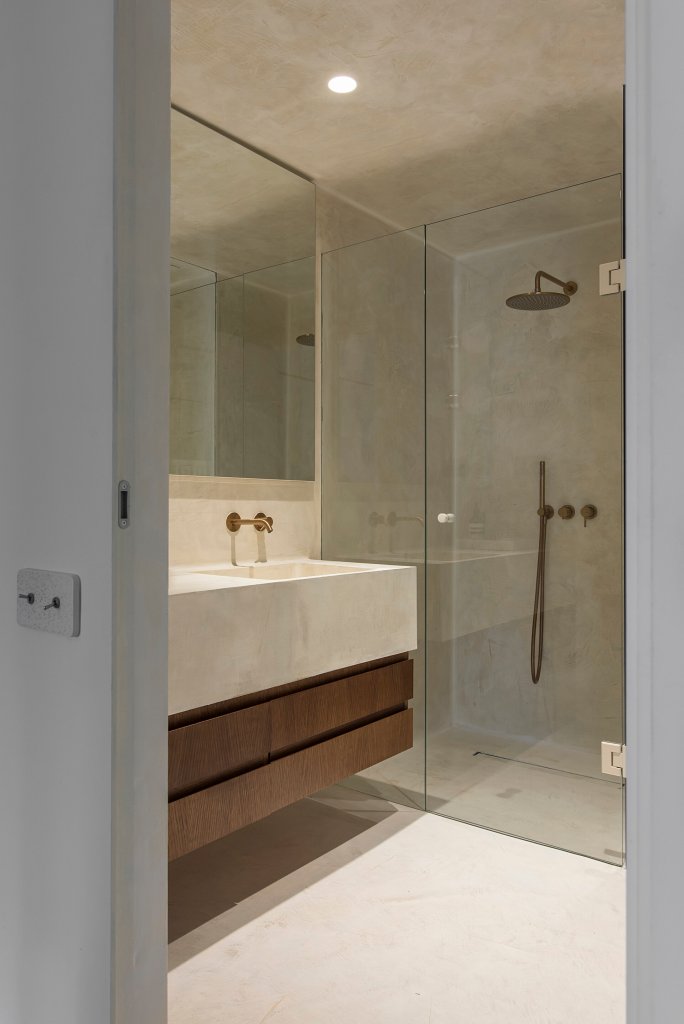
1. Microcement Bathroom
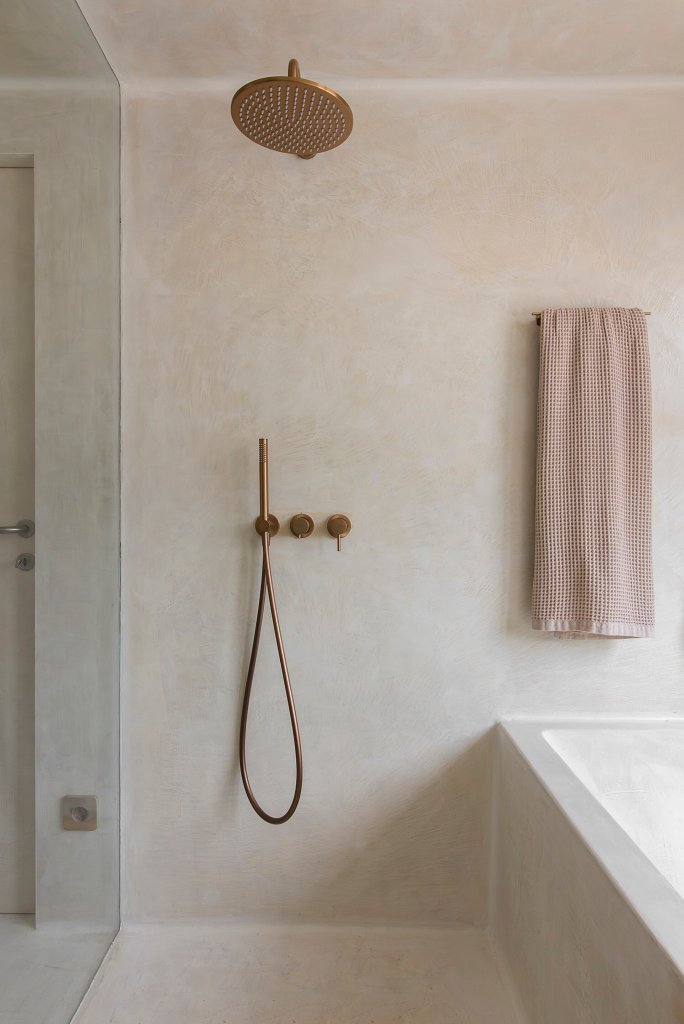
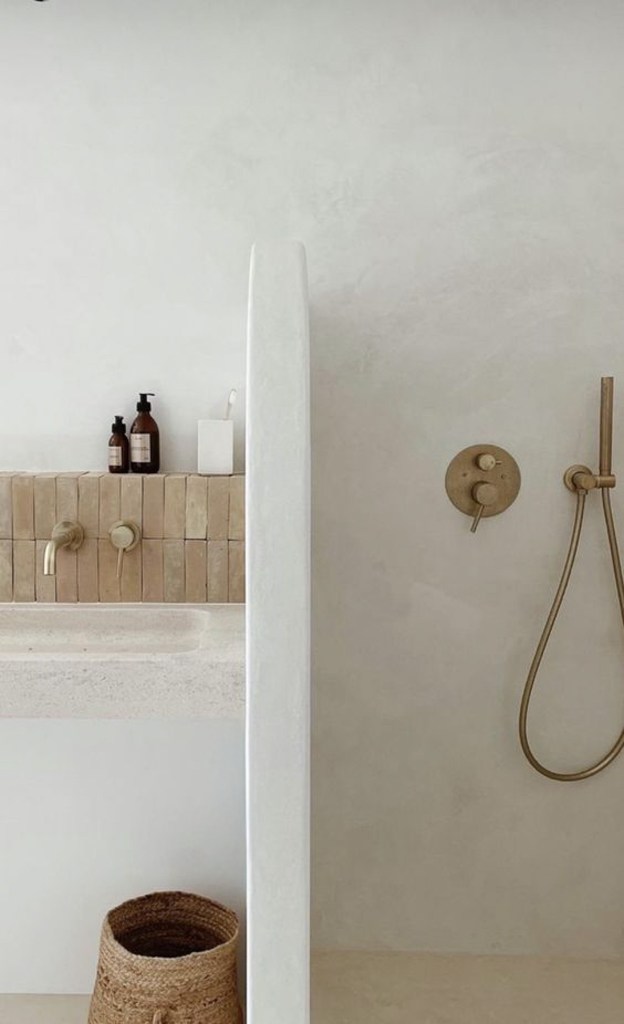
Microcement has become one of the most popular alternatives to tiles in modern bathrooms.
It is a thin cement-based coating that can be applied over prepared surfaces to create a continuous, seamless finish with no grout lines.
Because it is applied as a continuous coating, it creates a very clean minimalist look that works well in modern and architectural style bathrooms.
Microcement is commonly used on both walls and floors, making it possible to create a completely seamless bathroom design.
The key with microcement is proper installation and sealing. When installed correctly, it can be waterproof and highly durable.
Best for:
- modern bathrooms
- minimalist designs
- grout-free showers
2. Venetian Plaster Bathroom Walls
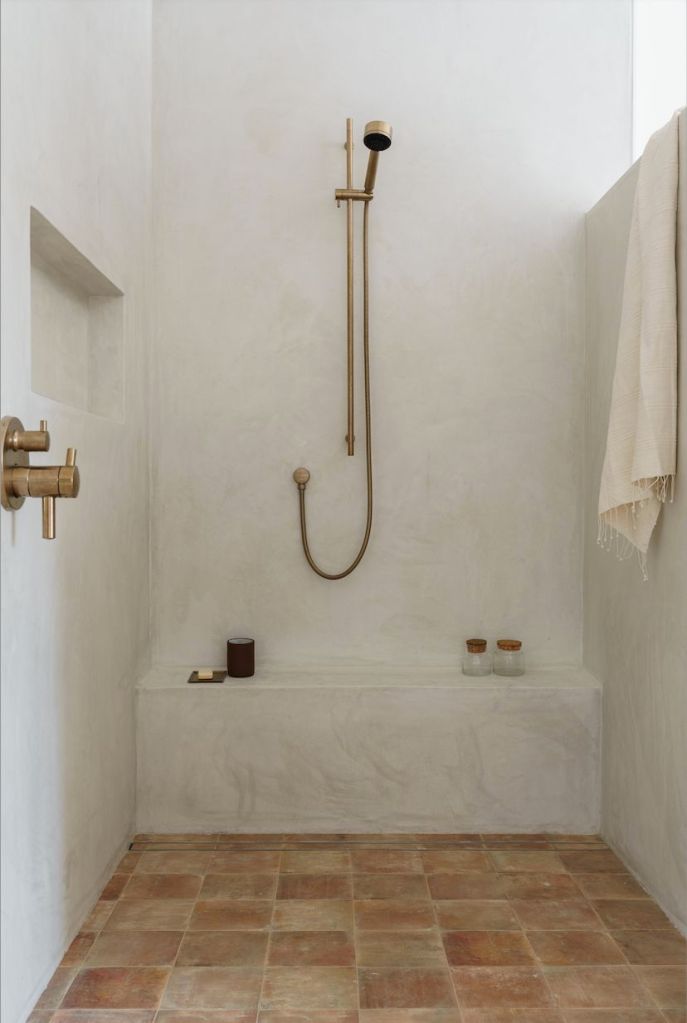
Venetian plaster is a decorative lime-based plaster that creates a smooth textured finish similar to polished stone.
This material has been used for centuries and is now becoming popular again in luxury bathroom designs.
Some versions of Venetian plaster use multiple coats and burnishing techniques that create a dense, polished finish. Traditional methods such as Tadelakt use lime plaster and soap treatments to form a water-resistant surface suitable for wet areas.
The final result is a wall with depth, texture and a natural feel that tiles simply cannot replicate.
Best for:
- luxury bathrooms
- feature walls
- natural textured finishes
3. Tadelakt Plaster Walls
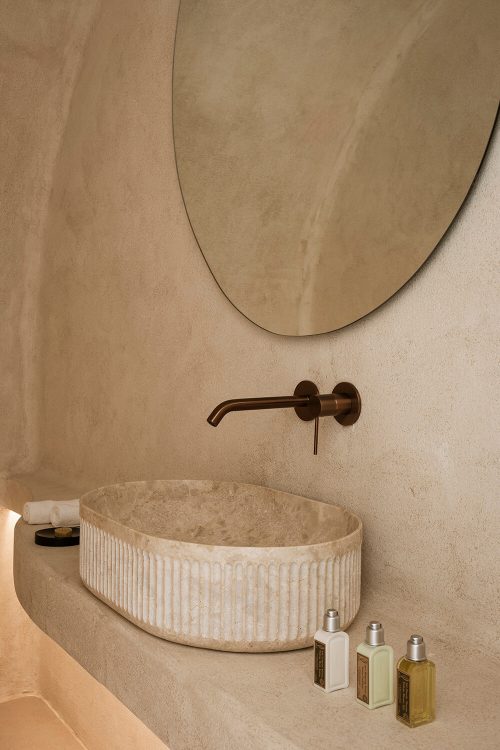
Tadelakt is a traditional Moroccan plaster system that creates a seamless waterproof finish.
It is made using lime plaster that is polished and treated with natural soap during the application process. This chemical reaction forms a water-resistant surface that works well in wet areas.
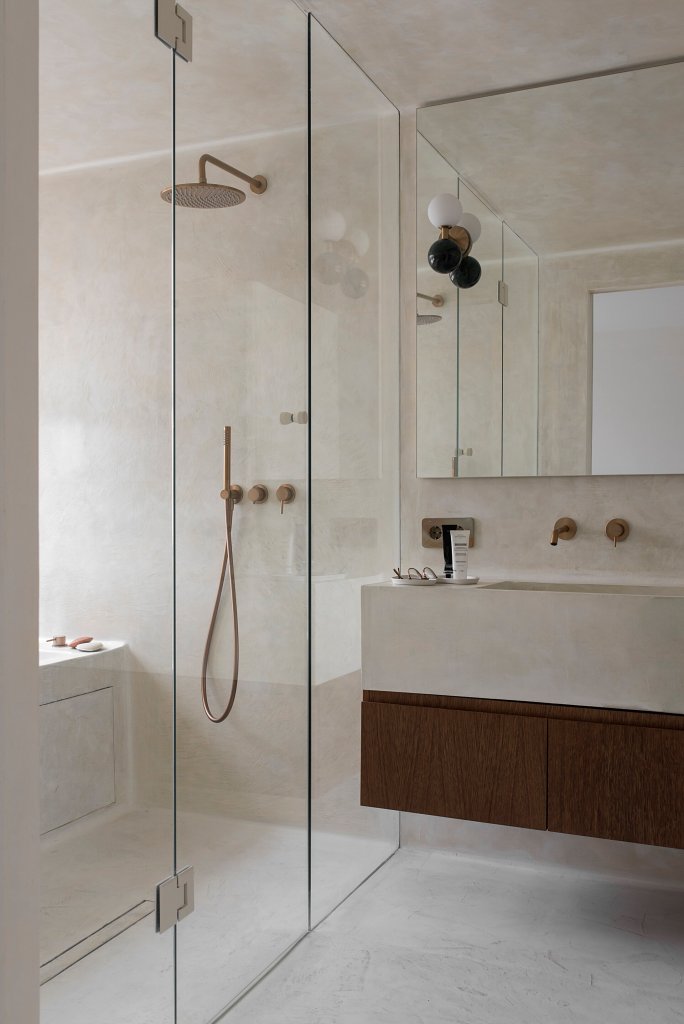
Tadelakt has a very distinctive look with soft curves and organic textures, which is why it is commonly used in spa-style bathrooms and wet rooms.
Because it is highly specialised, it normally requires an experienced applicator.
Best for:
- spa-style bathrooms
- curved shower walls
- natural plaster finishes
Difference Between Venetian and Tadeldakt
In case you are still confused, trust me, I was all the time between the two as they sound the exact same. Below explains the key difference
Venetian plaster is a lime-based decorative finish polished for a smooth, marble-like look but is mostly aesthetic and not naturally waterproof.
Tadelakt is also lime-based but treated with soap during application to create a waterproof, flexible finish suitable for showers and wet areas.
4. Bathroom Wall Panels
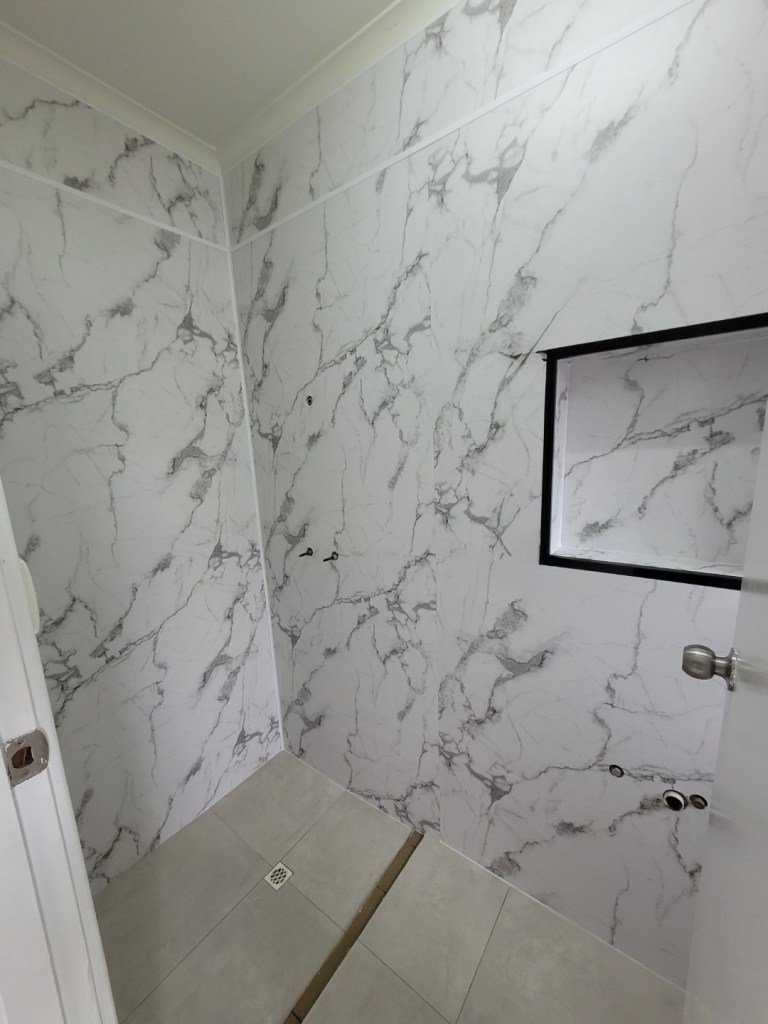
Bathroom wall panels are one of the fastest-growing alternatives to traditional tiles.
These panels are typically made from materials such as PVC, acrylic or composite boards and are designed to create large seamless waterproof surfaces.
Many systems use tongue-and-groove joints which allow the panels to connect together with minimal visible joins.
One of the biggest advantages is the speed of installation. Panels can sometimes be installed directly over existing tiles, which reduces demolition and installation time.
Best for:
- quick bathroom renovations
- budget friendly upgrades
- easy-to-clean walls
Looking for the top providers of wall panels? Check out
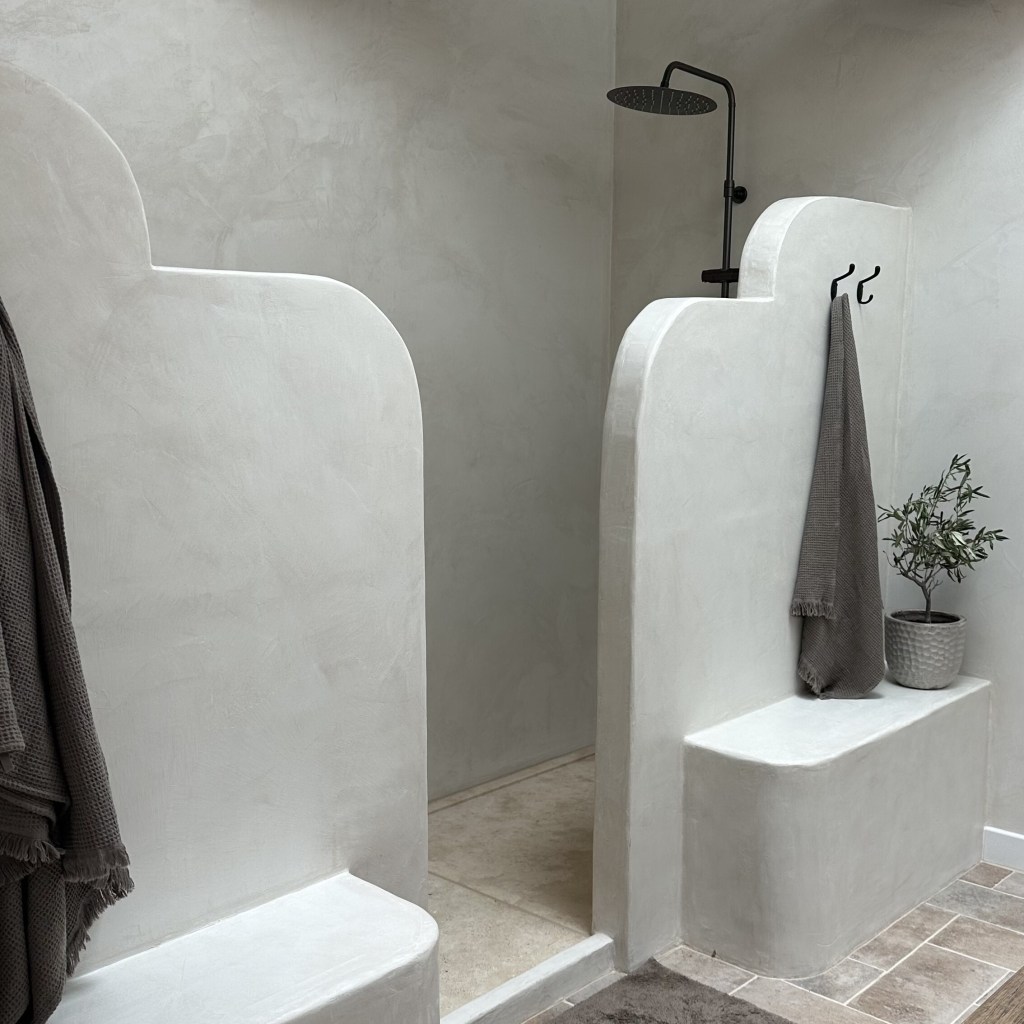
5. Polished Concrete Bathroom Walls
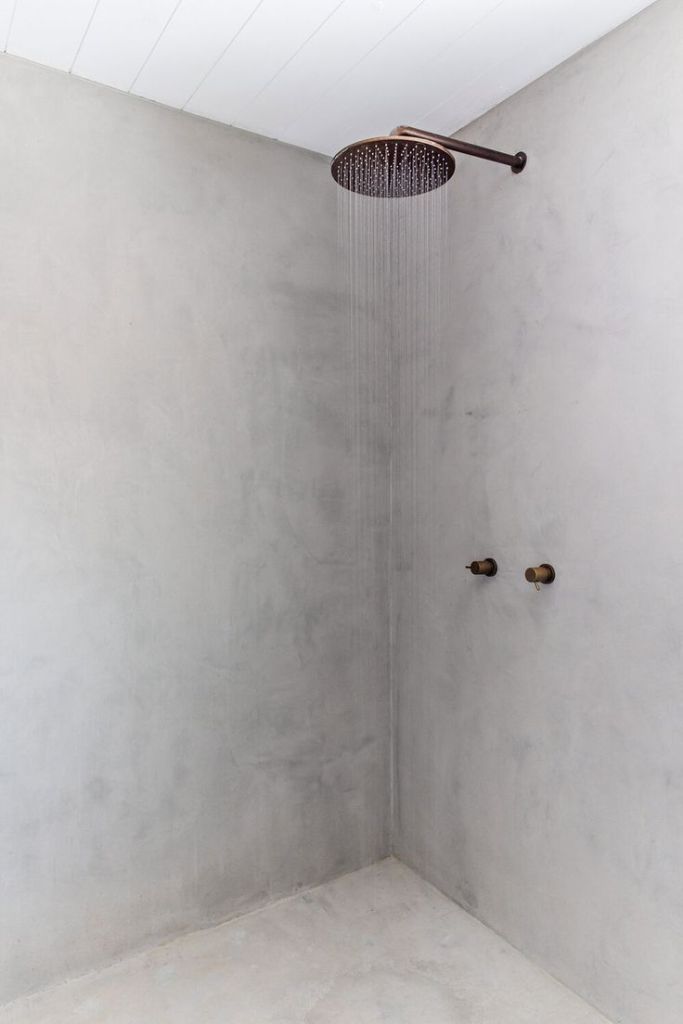
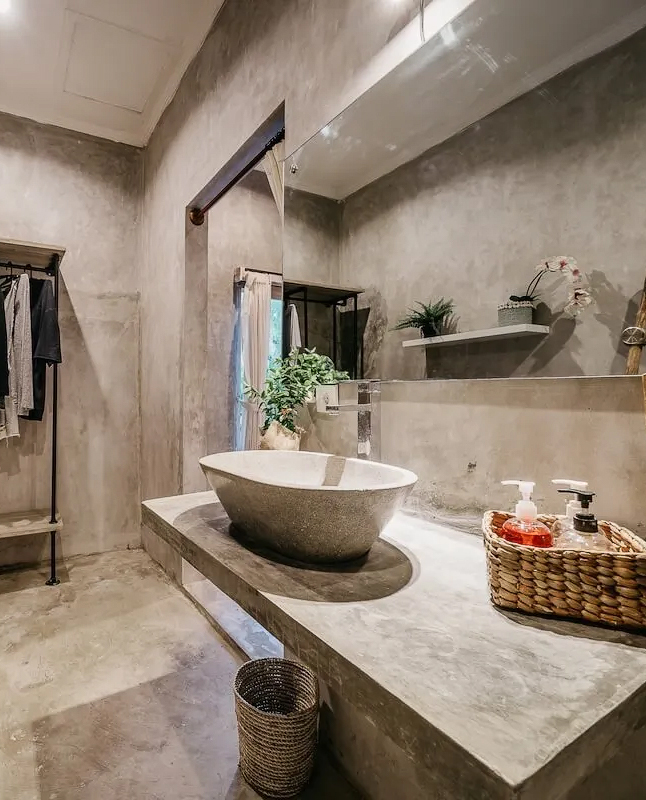
Concrete is no longer just for industrial buildings. Polished concrete finishes are now commonly used in modern bathrooms to create a bold architectural look.
Concrete walls can be finished in a variety of textures from smooth polished surfaces to more natural raw finishes.
When sealed correctly, concrete can work well in wet rooms and creates a very durable wall and floor area.
It pairs particularly well with timber vanities, matte black fittings and minimalist bathroom designs.
Best for:
- industrial style bathrooms
- contemporary homes
- architectural designs
6. VJ Panels in Bathrooms
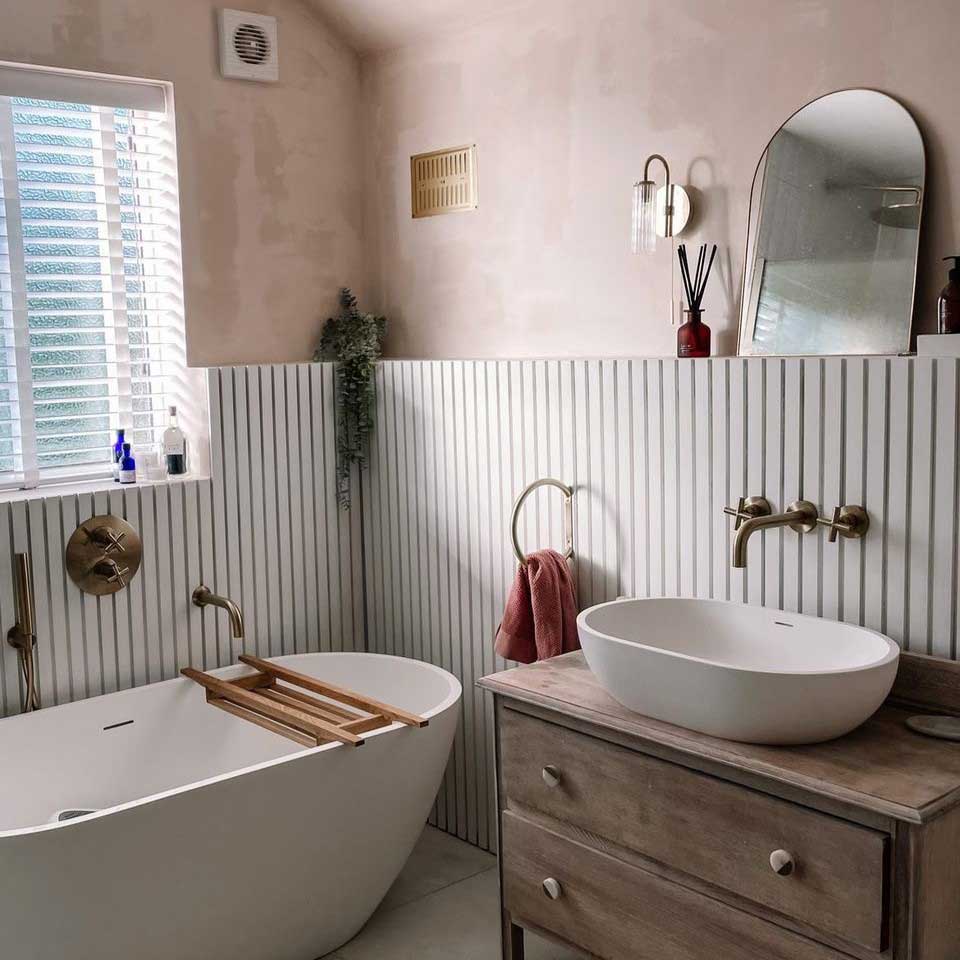
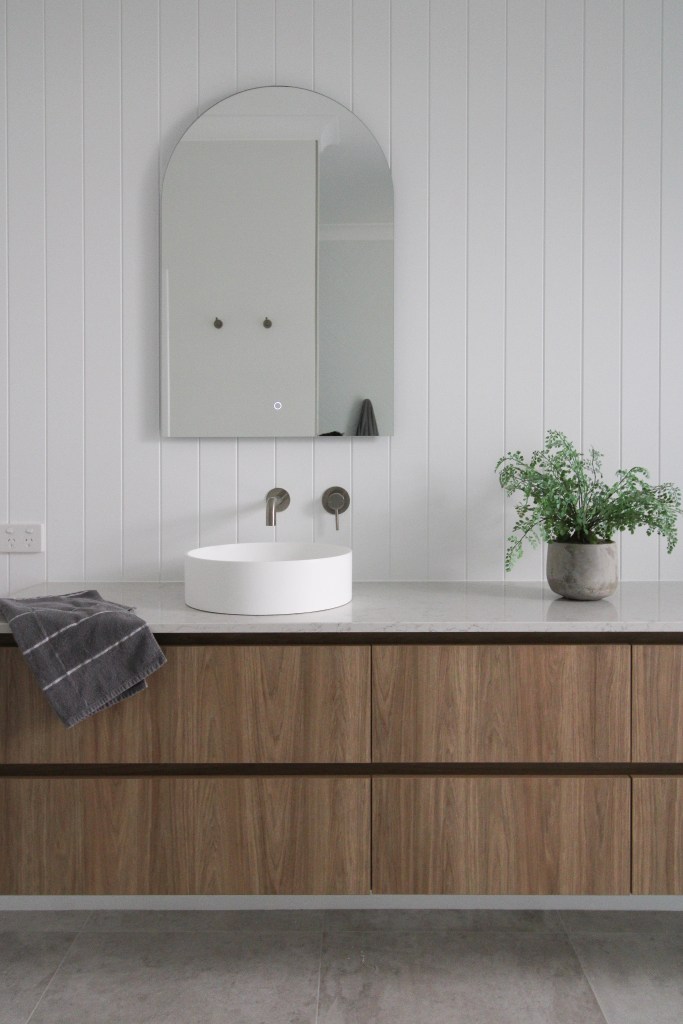
VJ panels are a classic wall finish often seen in Hamptons and coastal style homes.
These panels feature vertical grooves that create texture and character in a space.
While VJ panels are commonly used in bathrooms, they are usually installed on walls outside the direct shower area, as constant water exposure can damage the material if it is not properly protected.
When painted with moisture-resistant coatings they can work well for vanity walls and half-height bathroom wall designs.
Best for:
- coastal or Hamptons style bathrooms
- vanity walls
- decorative wall panelling
7. Acrylic Shower Panels with Base
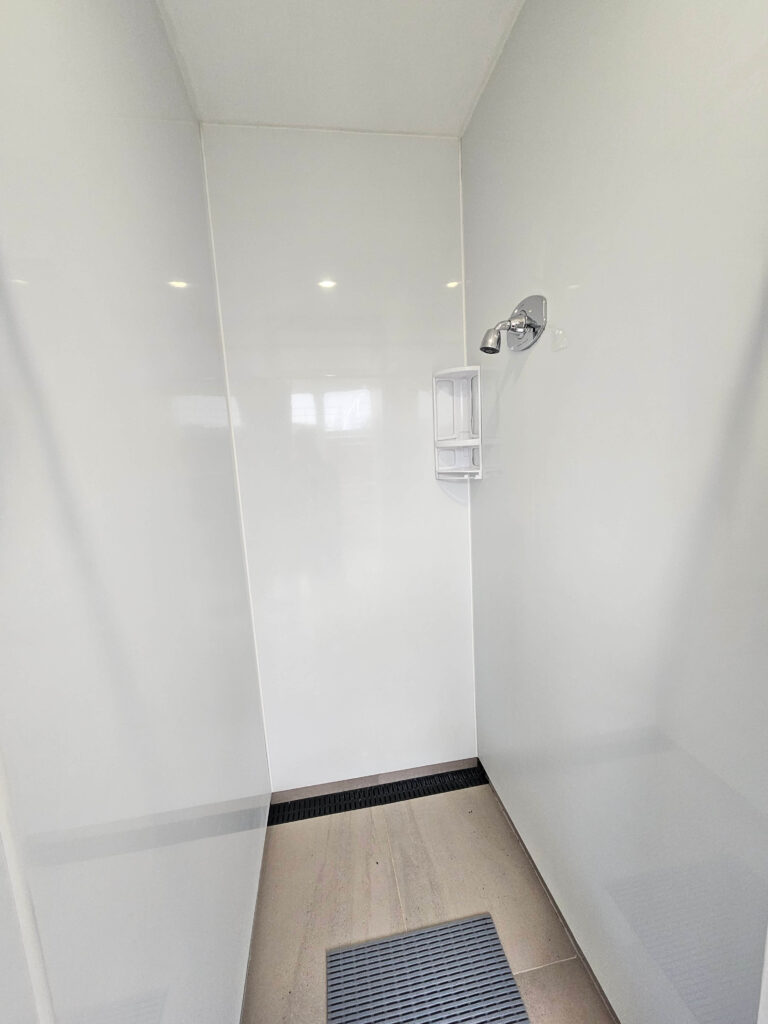
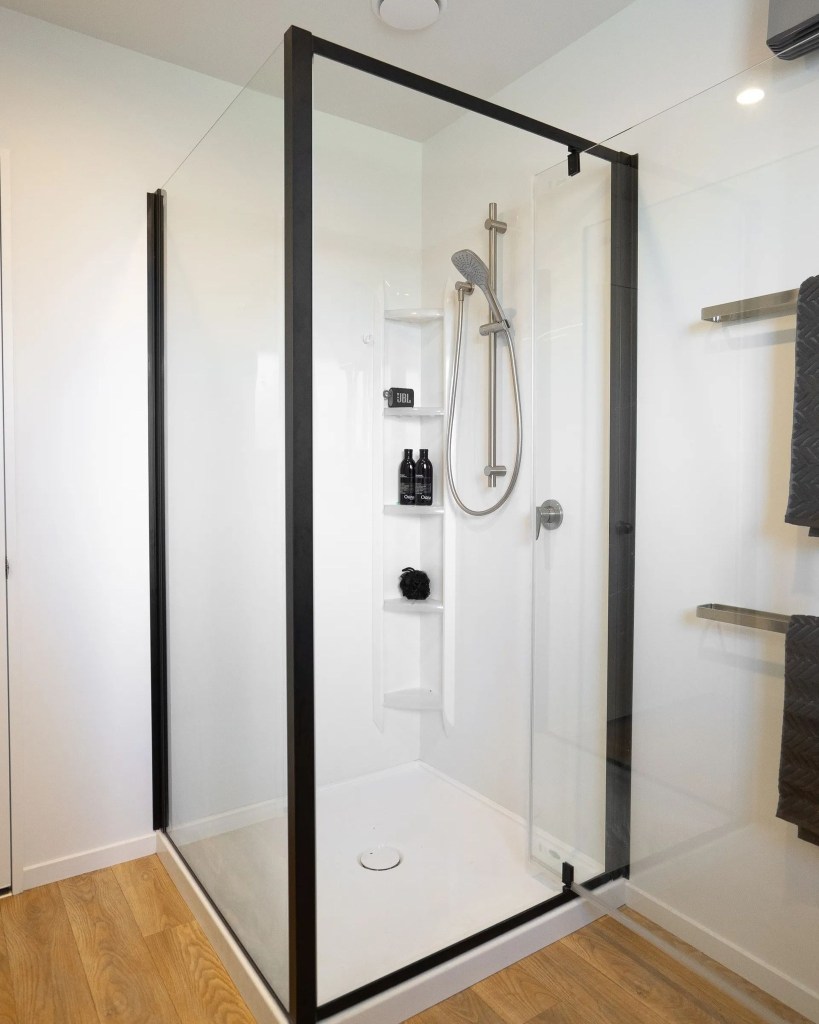
Acrylic shower panels are one of the fastest-growing alternatives to traditional tiled shower walls. They are made from high-gloss acrylic sheets that create a smooth, seamless, and waterproof surface with no grout lines.
These panels often come with a matching shower base, so you get a complete system ready for installation. This makes them ideal for homeowners looking for a quick, low-maintenance renovation without having to replace existing walls or floors.
Acrylic panels come in a variety of finishes, including solid colours or stone/marble-look styles, giving the bathroom a modern, finished appearance without the hassle of tiling.
Best for:
- shower walls
- small bathrooms or quick renovations
- easy cleaning and low maintenance
Downsides Of Bathroom Alternatives To Tiles
If you are looking for the downside of tile alternatives in bathrooms, I have summed them up in one sentence for each of the options above to make it easier.
1. Microcement
Downside: Needs specialist installation and proper sealing to remain waterproof.
2. Venetian Plaster
Downside: Can be expensive as everything that is niche and requires experienced applicators for a smooth finish.
3. Tadelakt Plaster
Downside: Highly specialised, costly, and not widely available locally.
4. Bathroom Wall Panels
Downside: Some panels can look less premium than tiles with the finishing joins not looking ideal on some
5. Polished Concrete
Downside: Can crack if not installed properly and must be sealed to resist moisture.
6. VJ Panels
Downside: Not suitable for shower walls and can only be installed a certain distance from high-level moisture areas
7. Acrylic Shower Panels with Base
Downside: Limited design options compared to bespoke finishes like microcement or plaster. Often can often feel dated instantly
My Honest Advice
I handled my first tile when I was just 8 years old, handing it to my dad to lay, so I’m naturally a big fan of using tiles in bathrooms. That said, microcement is by far the best alternative I’ve come across for covering an entire bathroom—it creates a seamless, modern look.
VJ panels are great too, but they can usually only be installed on part of the room, which makes them a bit hit-and-miss.
For anyone looking to avoid grout, mostly, my top recommendation is porcelain panels. You can cover an entire bathroom in just 8 to 10 large panels, which is impressive, and they’re extremely durable and perfect for wet areas.
Disclaimer: The advice on this website is for general information only. I draw on years of experience in bathroom renovations and tiling, but every home and project is different. Always consult a licensed tradesperson, plumber, or builder before starting any renovations, installations, or repairs.
Follow my Instagram for the latest videos and advice @jimthebathroomguy
 Jim The Bathroom Guy
Leave a comment