
Microcement bathrooms have exploded across Instagram, high-end hotels and European design magazines. Who among us does not love the idea of no grout lines, seamless walls and that clean architectural look? It’s easy to see why homeowners are asking about it more and more.
But when it comes to Australian bathrooms and particular bathroom renovations with microcement, the reality is more nuanced.
Microcement can be a great product — but it also carries a significantly higher degree of risk compared to traditional tiles. As a bathroom renovation specialist, it’s important to explain not just how good it can look, but how it actually performs in real homes, real climates, and real daily use.
Let me give you a breakdown of what microcement is and last my honest opionion on if you should install microcement in your bathroom.
What Microcement Actually Is (and Isn’t)
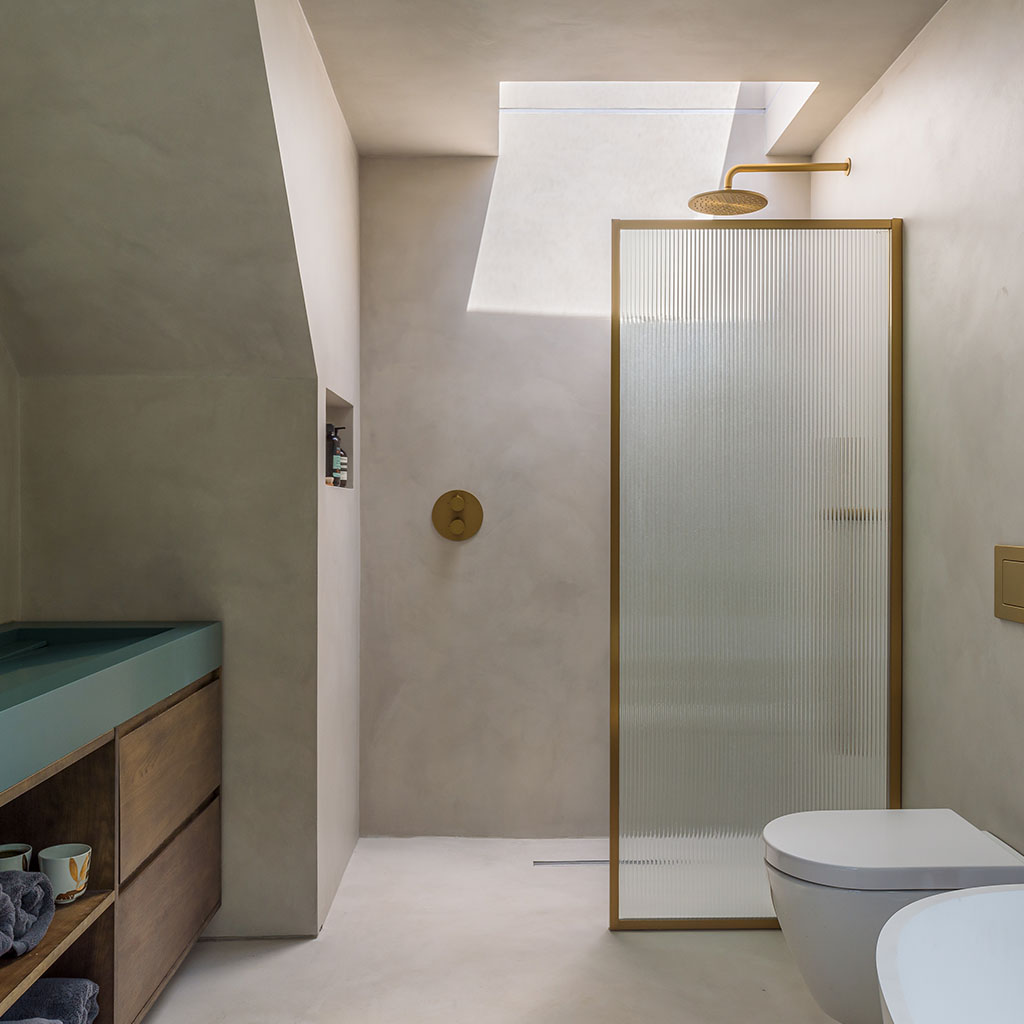
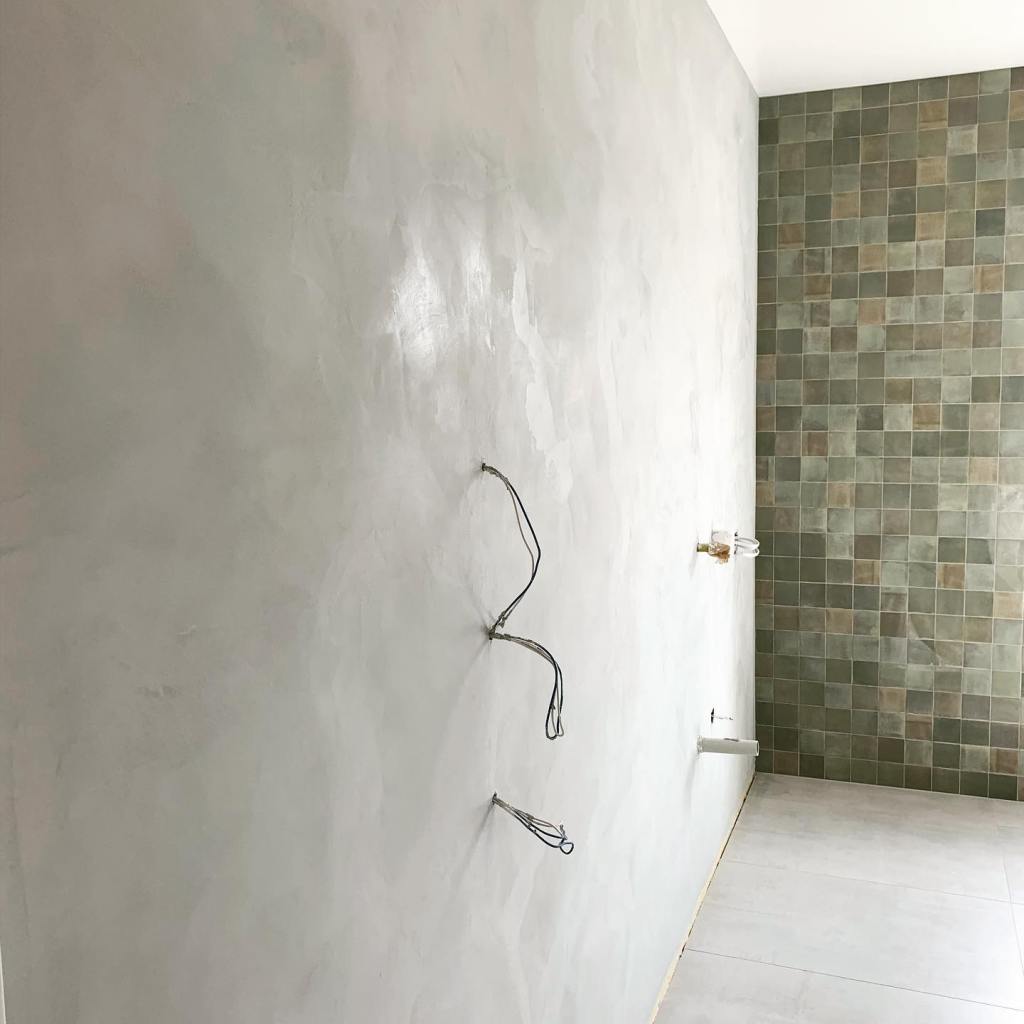
Microcement is a thin cement-based decorative coating, usually applied at 2–3mm thick, then sealed with protective coatings.
What it is:
- A decorative finish
- Seamless and modern
- Applied by hand
What it is not:
- A waterproofing system
- A structural surface
- A “set and forget” bathroom finish
This distinction is critical — especially in wet areas.
The Biggest Misconception: “Microcement Is Waterproof”
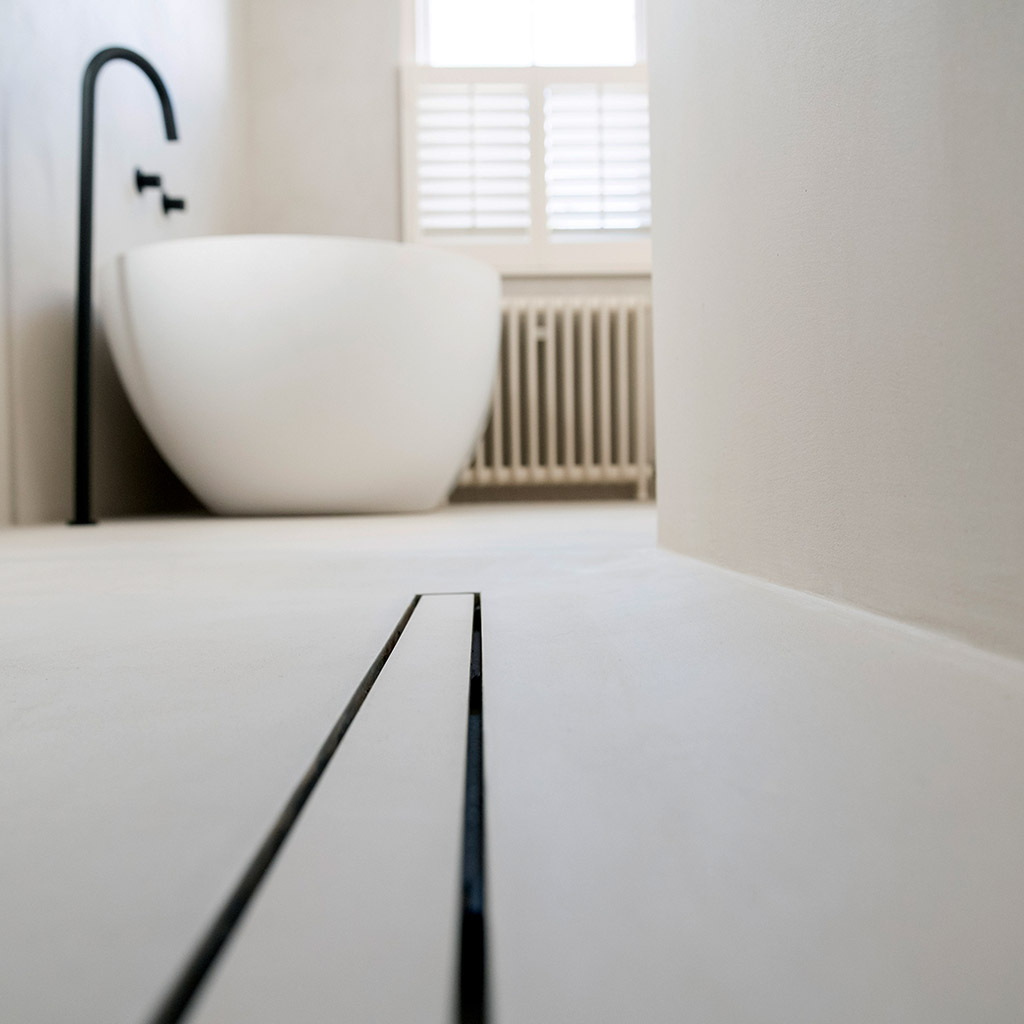
Microcement itself is porous. It does not replace a compliant waterproofing membrane.
In Australian bathrooms, waterproofing must:
- meet AS 3740 standards
- sit beneath the finish
- remain intact for decades
If water penetrates the microcement surface due to:
- sealer wear
- hairline cracking
- Poor detailing at junctions
it can reach the membrane underneath. Once that happens, failures become difficult to diagnose and even harder to repair.
Tiles, by contrast, act as a durable physical barrier over the waterproofing layer, even if grout or sealants degrade over time.
This doesn’t mean you shouldn’t have microcement in your bathroom; it just means, like tiles, you need a strong waterproofing system behind it.
Australian Bathrooms Move — Microcement Doesn’t Like Movement
Australian homes experience:
- temperature swings
- slab movement
- timber floor deflection
- humidity cycling (especially in coastal areas)
Tiles are installed with:
- movement joints
- flexible adhesives
- grout that absorbs micro-movement
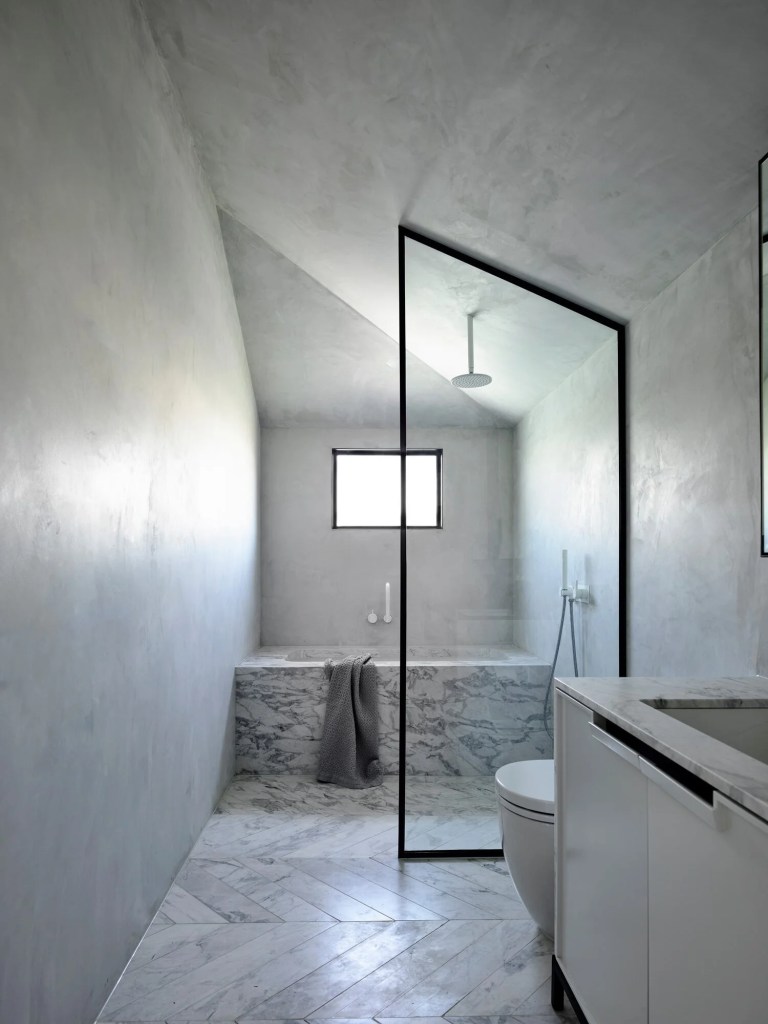
Microcement is a continuous surface. Even minor substrate movement can result in:
- hairline cracking
- visible stress lines
- water pathways through the sealer
These cracks are often cosmetic at first — but in a shower, cosmetic issues quickly become functional ones.
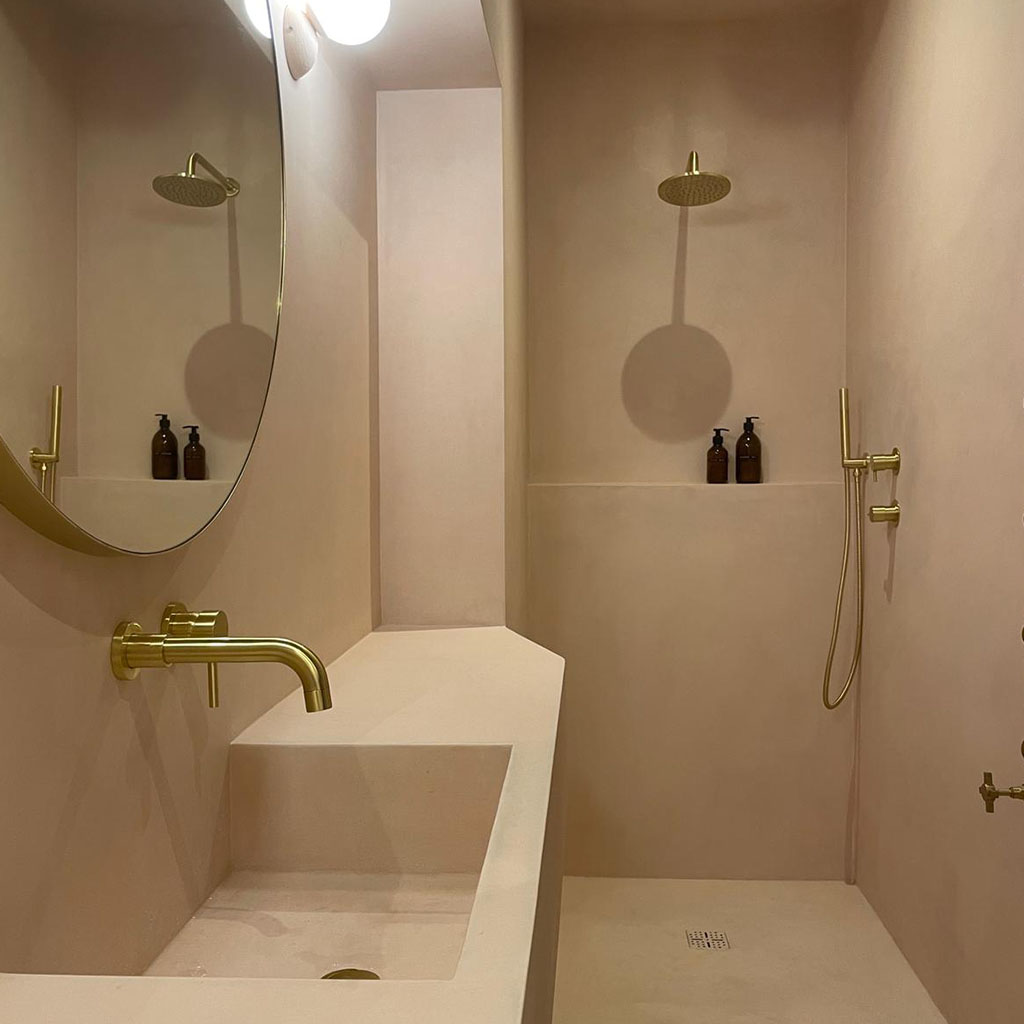
There is a natural organic feel it which is awesome but sometimes I find clients cant live with any cracks at all it drives them crazy.
Installation Quality Is Everything (and That’s a Risk)
A tiled bathroom can tolerate small mistakes. A microcement bathroom cannot.
Microcement success depends on:
- flawless substrate preparation
- correct waterproofing detailing
- perfect curing conditions
- precise timing between coats
- correct sealer application
In Australia:
- There are far fewer truly experienced applicators
- Certification and regulation are limited
- outcomes vary widely between installers
This makes microcement a highly workmanship-dependent product, which increases risk for homeowners and renovators alike.
Maintenance Reality vs Homeowner Expectations
Most Australian homeowners expect bathrooms to be:
- low maintenance
- easy to clean
- resilient to daily use
- no cracking
Microcement requires:
- ongoing care
- gentle cleaning products
- periodic resealing (especially in showers)
- immediate attention if damage occurs
Tiles:
- require occasional grout maintenance
- tolerate harsh cleaners
- maintain performance even when cosmetic wear occurs
This mismatch between expectation and reality is one of the main reasons microcement disappoints some homeowners long-term.
Repairs Are Rarely Invisible
If a tile cracks:
- It can be replaced
- The repair is localised
If microcement is damaged:
- Colour matching is difficult
- patching often shows
- Large areas may need recoating
In high-use bathrooms, this lack of forgiveness becomes a major downside.
So Why Tiles Still Dominate Australian Bathrooms
Tiles remain the most popular choice because they are:
- proven over decades
- compliant and certifiable
- forgiving of minor movement
- easier to repair
- lower risk overall
That doesn’t make microcement bad — it simply makes tiles better suited to the average Australian bathroom renovation.
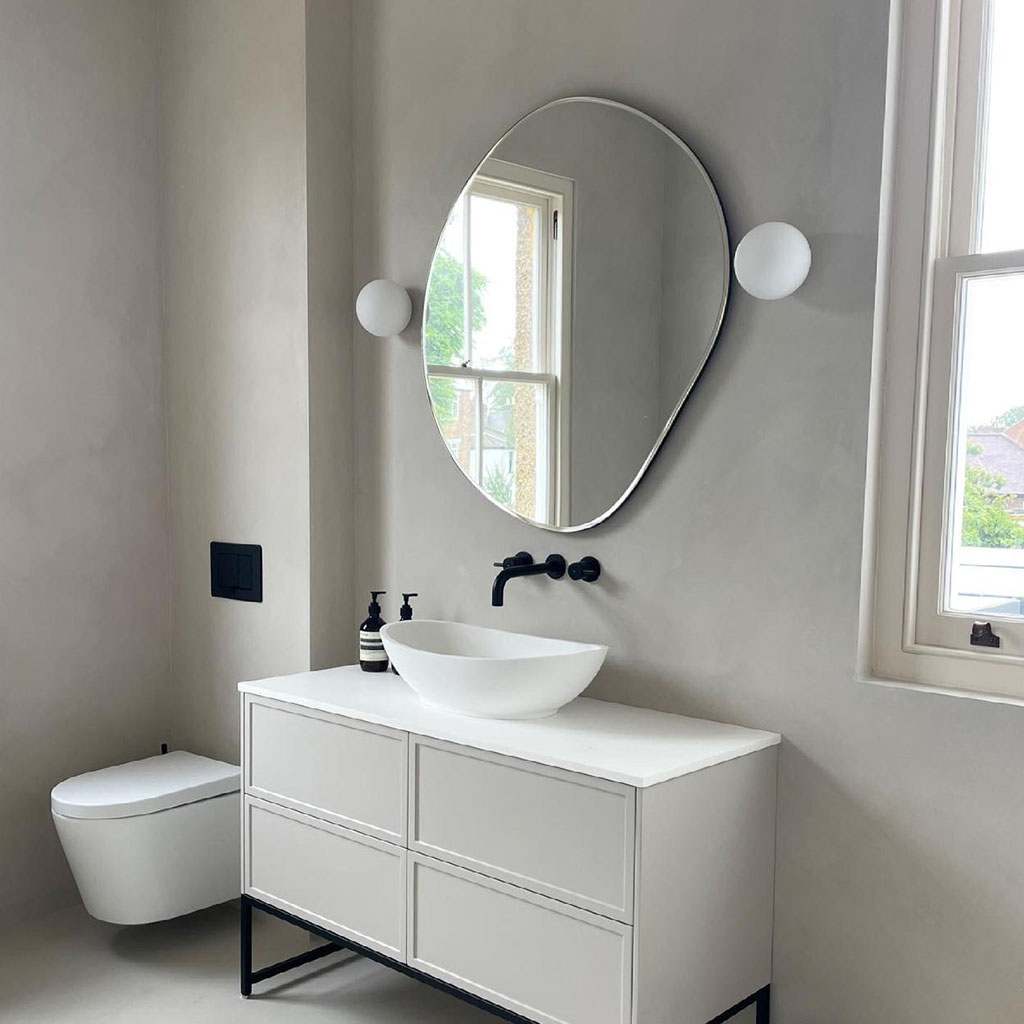
When Microcement Can Be a Great Choice
Microcement can work well when:
- used selectively (feature walls, low-splash areas)
- installed by a specialist
- paired with compliant waterproofing
- accepted as a maintenance finish
- chosen for design priority over durability
In the right project, with the right expectations, it can be stunning.
Honest Review
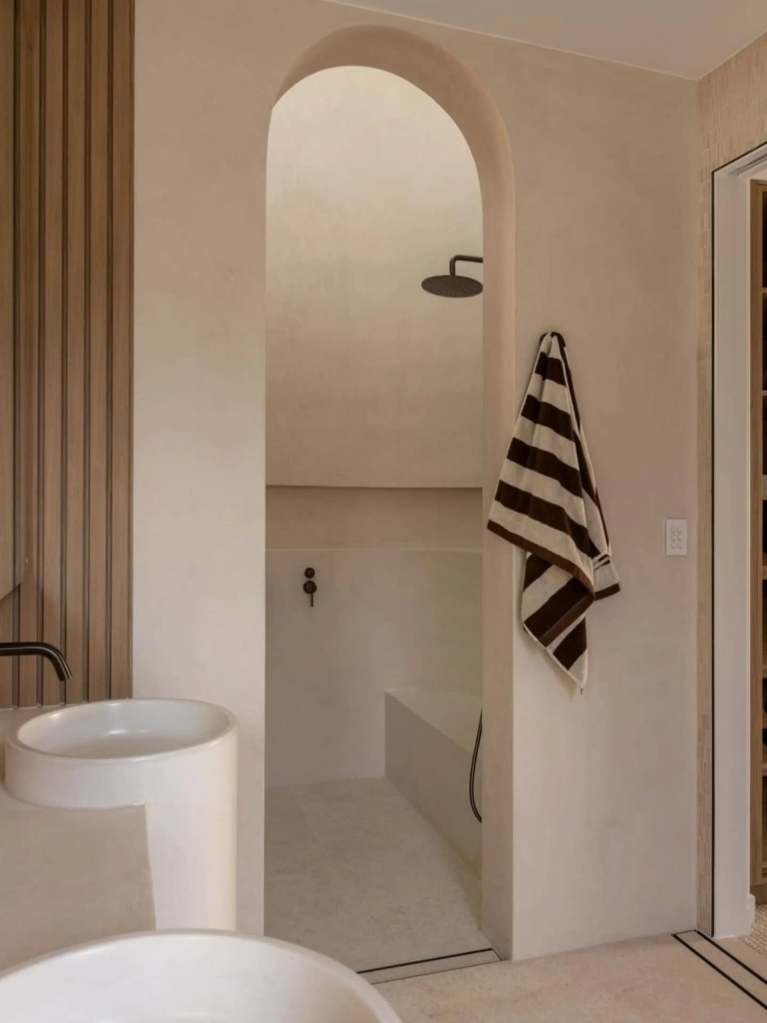
Microcement is not a gimmick — it’s a legitimate, beautiful product. I personally love the feel and look of a microcement bathroom. When it is done correctly, it is one of the most beautiful rooms you will ever see. They photograph, in my opinion, very poorl,y so you can never capture the beauty.
Ultimately its super hard to find experienced installers who do microcement in bathrooms at a high level, which is why it is not just popular in Australia. Like porcelain panels, the product can be great but if no one can find people to install them, they just won’t be popular.
If you love it, do it, but really put that research into finding the right person for the bathroom you have.
Microcement can be a great product — but tiles remain the lower-risk, more robust choice for most Australian bathrooms.
If you want the look of microcement, the key is understanding the trade-offs before you commit — not after.
For more GROUTLESS bathroom options (Tap Here)
Disclaimer: It’s important to note that all our advice is general in nature and all bathrooms are unique, so speak to your local qualified tradesman for the best advice and make your own informed decisions after seeing a specialist tradesperson.
Looking for some more bathroom renovations for inspiration. Check out my Instagram page below with tons of helpful pics and video guides
Instagram @jimthebathroomguy

 Jim The Bathroom Guy
Leave a reply to Ultimate Groutless Bathroom Guide – Jim The Bathroom Guy Cancel reply